USDA forecasts for increased wheat yield and production play a role in both larger ending stock numbers and a lower season ending average price estimate.
A somewhat quiet January outlook on both U.S. and world wheat.
“Global consumption was reduced about 600,000 tons," noted USDA World Agricultural Outlook Board chairman Mark Jekanowski. "Feed use, a component of that, was reduced 100,000 tons. Trade, we redu...
U.S. wheat production for the 2024-2025 marketing year is estimated at 1.971 billion bushels, up 9% year-over-year and the highest level since 2016-2017. The USDA said this stands in contrast to a long-term downward trend in U.S. wheat production that resulted in declining acreage as farmers switched to other crops like corn and soybeans.
...
The adjustment to domestic wheat production was relatively minor in August, but was up, in the latest USDA supply and demand forecast. What does that mean for the remainder of the balance sheet?
“We’re expecting to see some more export business," noted World Agricultural Outlook Board Chair Mark Jekanowski. "We raised our expo...
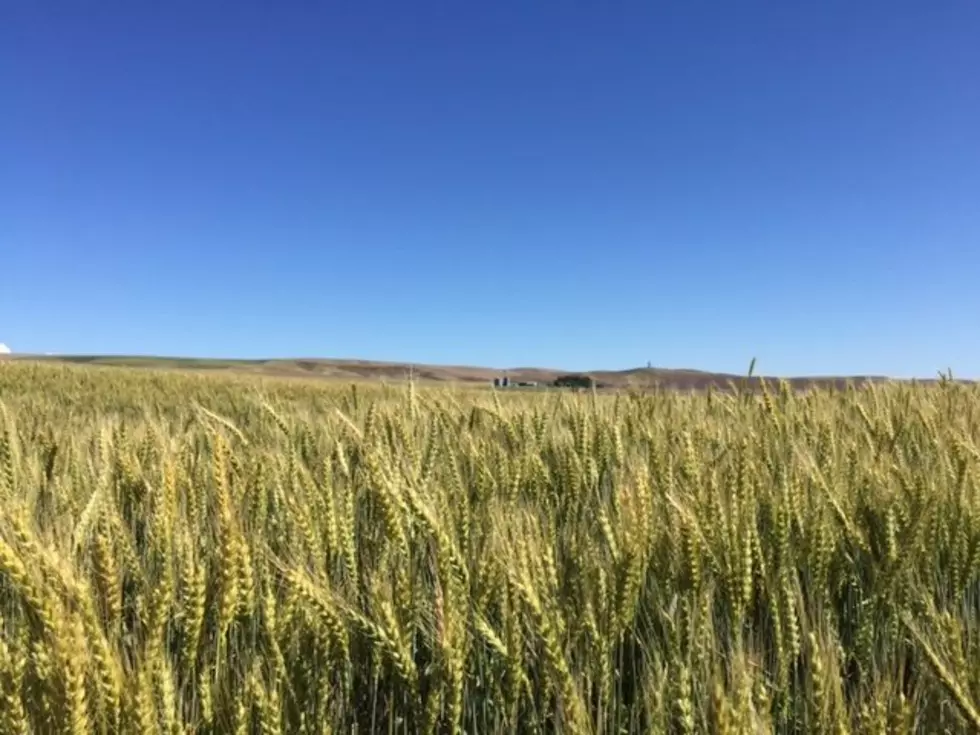
The war in Ukraine is expected to expand wheat production in Argentina and Brazil, the primary wheat-producing nations in South America. Agriculture and consumer economics experts from the University of Illinois say both nations will likely already increase wheat planting this season, which begins in May
...
Some potential good news for U.S. wheat growers.
"After five years of wheat supplies exceeding demand, we've hit a year where the opposite is now true on a global level."
And that, according to USDA Chief Economist Seth Meyer, is a recipe for decent prices for wheat
...
When it comes to the global wheat picture, the USDA focuses Australia.
"For the harvest that is currently underway, we increased our production forecast for Australia by 2.5 million metric tons. Up to 34 million tons. That would be the second highest production on record."
...
What changes were made to the WASDE report when it comes to wheat?
"Mainly incorporating changes from the September 30th small grains summary report where it showed reduced production by about 51 million bushels relative to what we had been expecting
...