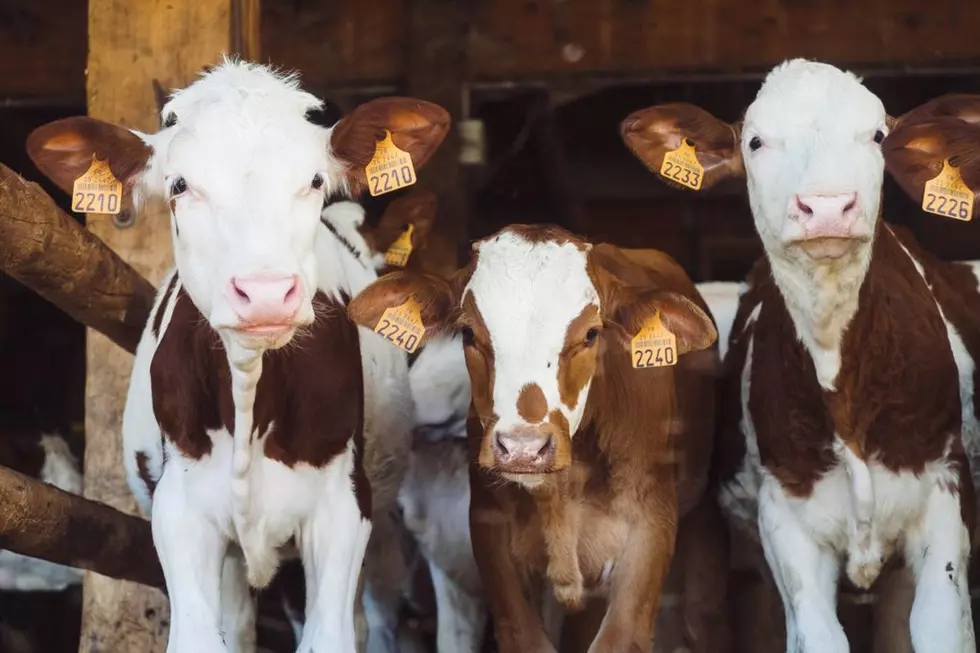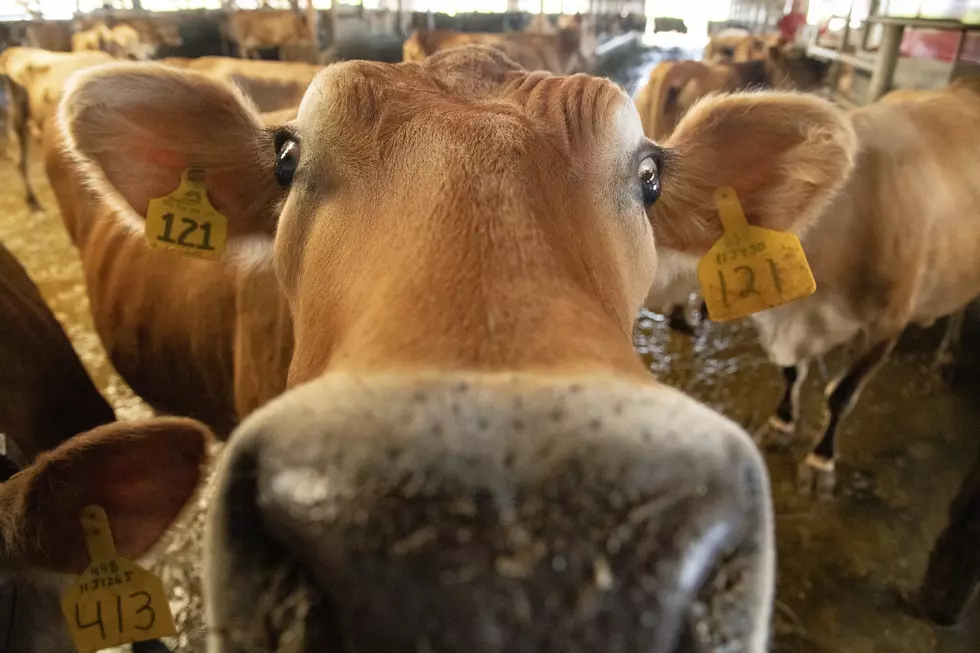
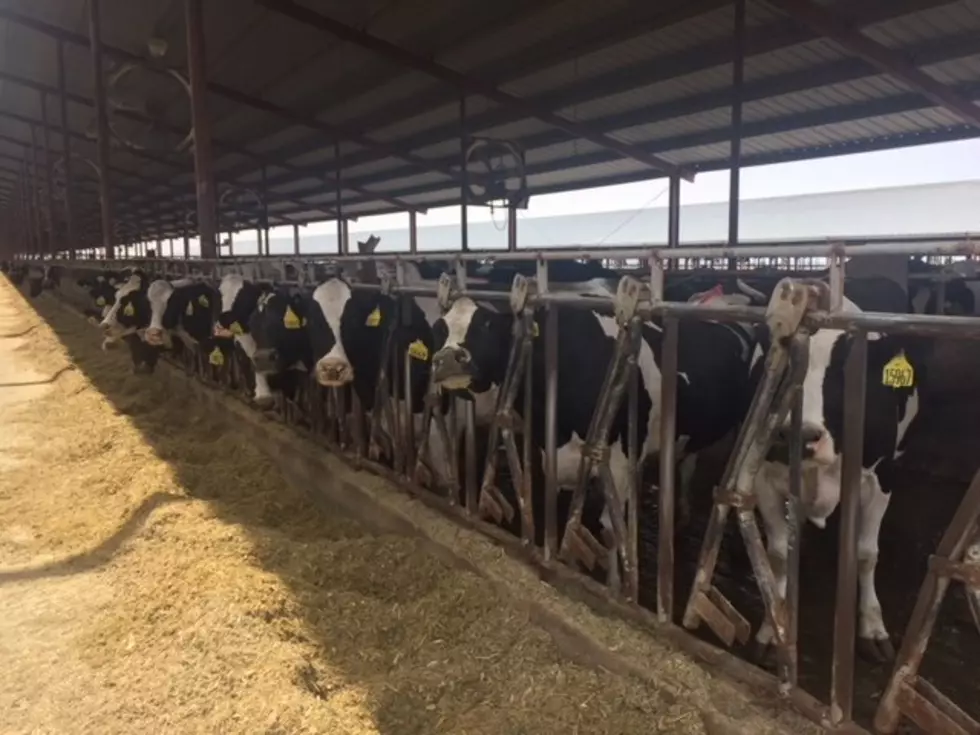
The Washington sale barns saw close to 1,300 head trade Friday, with lean-type slaughter cows leading the gains and the CME feeder cattle index settling at $348.65 after a 48 cent drop.
Dry summer heat is taking a toll on pastures from the Pacific Coast to the Great Plains. Nationwide, only one in four acres of rangeland is rated good to excellent right now, and the numbers keep slipping.
Cattle ranchers in Oregon, Colorado, and Wisconsin say gray wolf populations have bounced back, but current federal law leaves them with few options when wolves kill livestock.
After six years of declines, the U.S. cattle herd just ticked upward — and the reasons behind it say a lot about where the beef industry might be headed.
Greg Sanders out of Moses Lake reported 800 head of cattle sold at the Washington sale farm by July 31st, restoring the market data that went missing the week before.
Three Whitman County cattle operators — Greg, Dan, and Doug Stout — face a $48,000 fine after state inspectors found damaged fencing and destroyed native plantings along Steptoe Creek.
Ranchers near grizzly country in Idaho and Montana have been dealing with livestock losses for years, and a newly revised federal rule could change who's in charge of managing those bears.
A pair of UC Davis studies looked at what wolves are actually eating in northeastern California and how nearby cattle are holding up — the short answer is cattle show up often on the menu, and the herds are noticeably stressed.
Texas Agriculture Commissioner Sid Miller sent a formal letter to the FDA asking for emergency authorization of ivermectin-medicated livestock feed to help stop the spread of New World Screwworm.
The Protecting Americas Herds Act would let Cooperative Extension agents act as livestock inspectors, filling a critical gap in early detection of New World screwworm for ranchers in high-risk states.