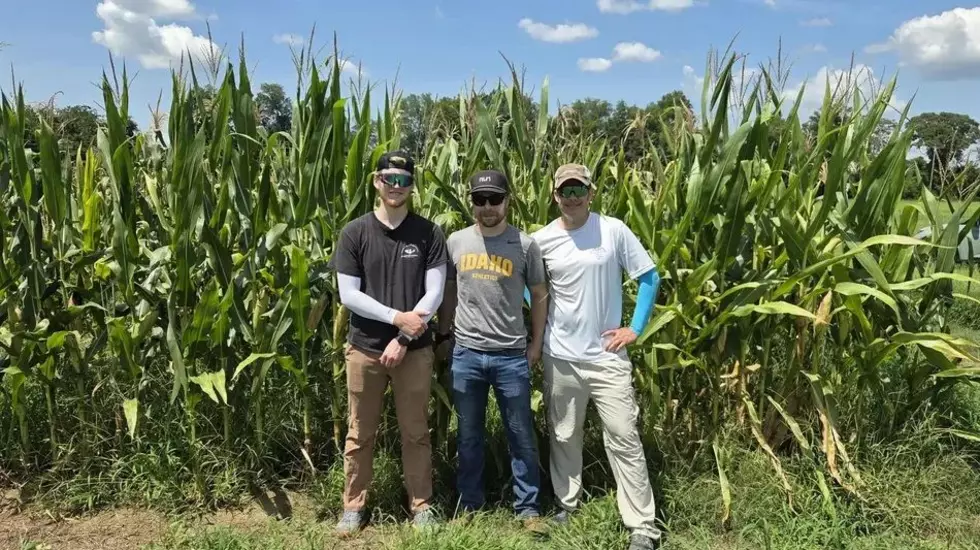
A new University of Idaho project uses artificial intelligence and sensors to help farmers breed crops that produce more grain while staying upright through wind and environmental challenges.
Wednesday's USDA crop report brought mixed news. Wheat is down sharply across the board, but corn could finish as the second biggest harvest ever recorded in the United States.
Grain markets are heading into 2026 and 2027 with less cushion than usual — the International Grains Council cut its production forecast by 4 million metric tons, pointing to shrinking corn and wheat inventories as the main concern.
The National Farmers Union timed its latest report around Independence Day — showing that family farmers collect less than 12 cents on every dollar Americans spend at the grocery store or the cookout.
Farmers who've been improving soil health and water quality may now have a clearer path to premium prices, thanks to a new USDA rule tied to biofuel production credits.
At a press conference in Switzerland, Vice President Vance revealed a deal to unfreeze Iranian money for U.S. farm products, connecting crops like soybeans to Iran’s food imports.
Imagine a solution that could help farmers boost their yields while cutting down on fertilizer costs. That’s exactly what this local tech startup is doing!
Imagine a world where your corn and wheat thrive without pricey fertilizers—WSU researchers are working on making that dream a reality with bacterial science.
A conference in Japan brought U.S. farmers and Japanese buyers together, sparking conversations about sustainability in grain production. Here’s what was shared.