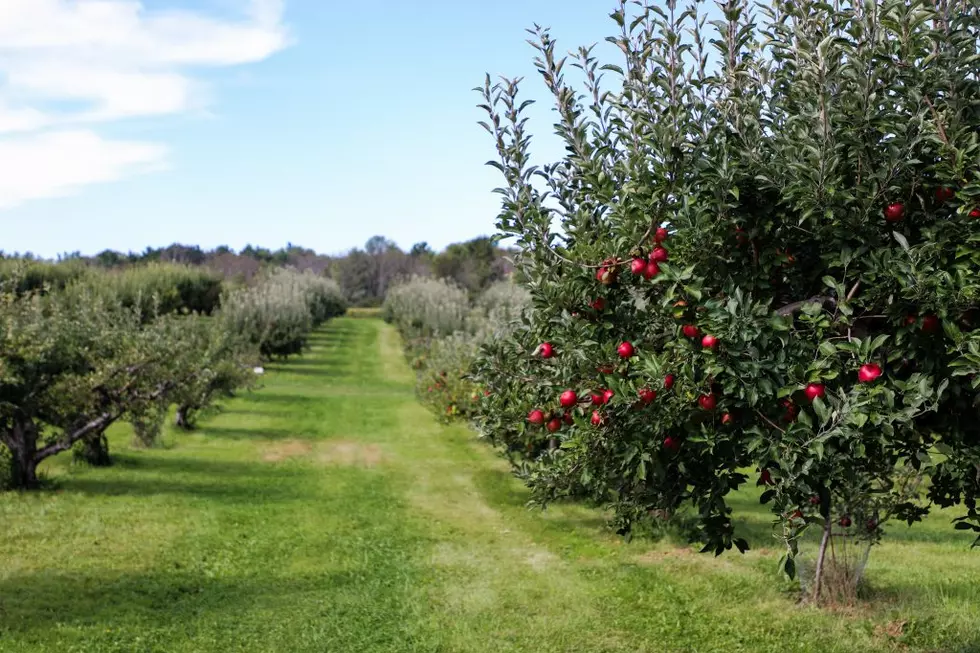
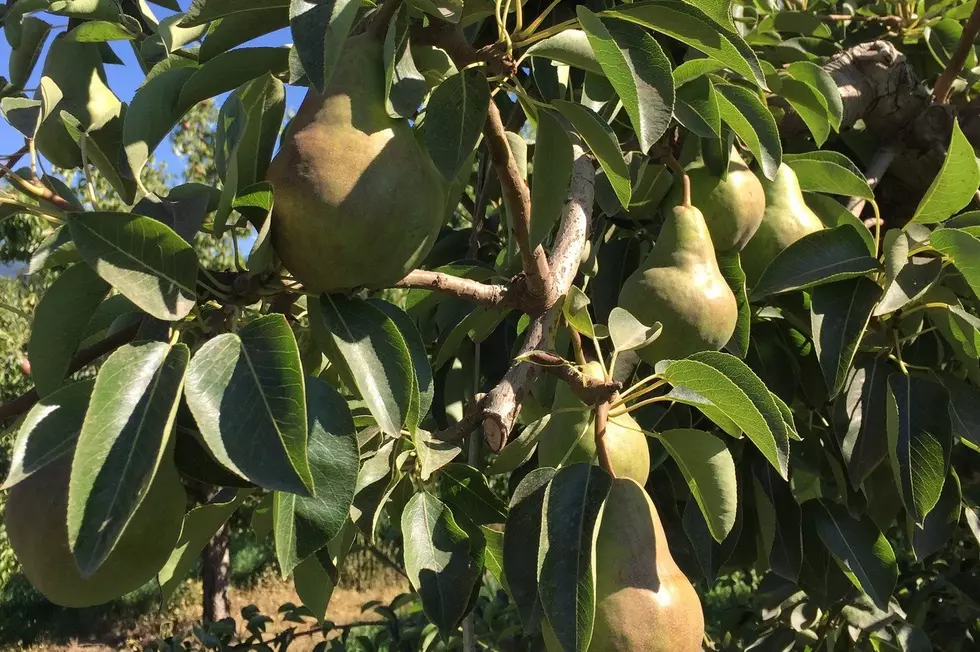
September weather turned cooler, but growers know the heat could return. With crops weakened from summer's intensity, farmers are maintaining spray schedules to protect yields through harvest.
The 2026 fruit harvest is shaping up to be mixed for growers, with apples, pears, and peaches all down while cranberries buck the trend with solid gains.
Codling moth hot spots are a real headache for tree fruit growers, and WSU is addressing that head-on with a free hands-on field day in Moxee on July 31st at the Smart Orchard.
American fruit and vegetable growers lost more than 7 billion dollars in 2025, and the losses are expected to keep climbing through 2027 as prices fall short of what it costs to grow the crops.
WSU researchers say apple fruit surfaces can reach temperatures well above 120 degrees Fahrenheit in direct sun — hot enough to kill cells and leave dark sunken spots on fruit that was fine the day before.
What does the future of farm labor look like? And what kind of impact will that have on the bottom line for growers across the Northwest? President of the Washington State Tree Fruit Association, Jon DeVaney, offers his perspective.
In Today's Focus On Fruit, the Washington Apple Commissions Jennie Strong talks about efforts to expand export opportunities and strengthening global coordination.