Using Pheromones Against Pests
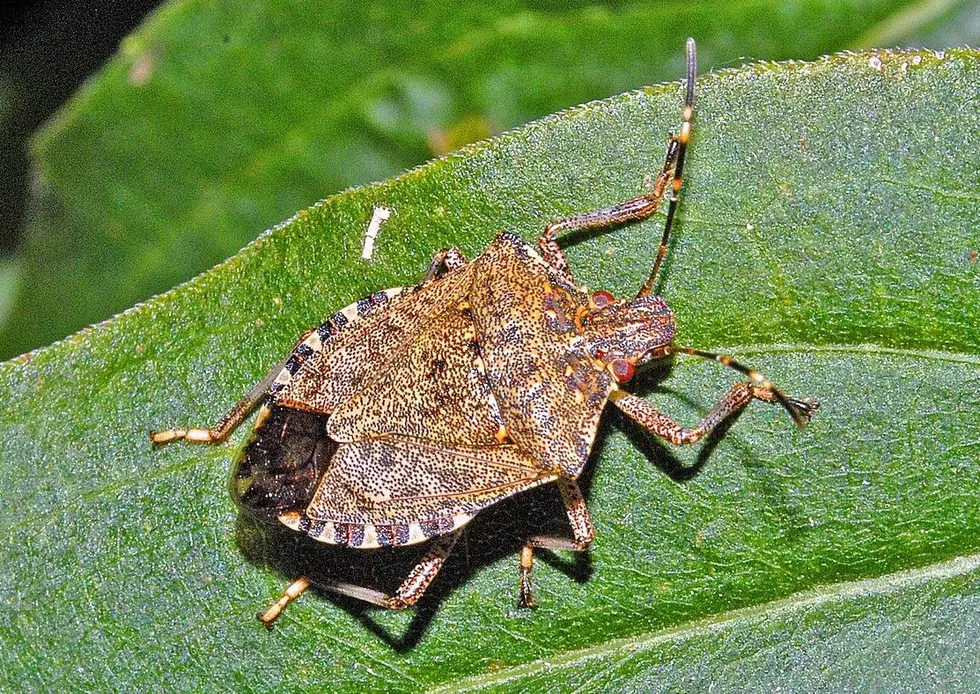
Backyard gardeners and commercial vegetable growers both share common threats to their produce. Among those pests of concern, “Brown marmorated stink bug and the group called cucumber beetles,” noted USDA research entomologist Don Weber.
Weber recently provided an update on the research he and his team have been working on for years as methods to combat these pests.
“The pests insects very own pheromone and combining it either with plant-based or other inexpensive attractants to synergize our efforts to use behavioral control make to manage vegetable pests,” he said.
A Host Of Crops Are Impacted
Weber started with what makes brown marmaladed stink bug such a threat to fruit and vegetable crops.
“Apples, pears, and peaches, it's definitely on, especially as they're maturing, unfortunately. A lot of times that damage is hidden until you cut open the fruit, which is very unfortunate. It can affect soybean as well. Various vegetables, tomatoes, and peppers,” Weber noted.

Weber and Agricultural Research Service colleagues immediately went into problem-solving mode once the stink bug arrived in the U.S.
“We're able to discover and synthesize the brown marmorated stink bugs pheromone,” Weber said. “It was known from Japan that it was attracted to another bugs pheromone, but only at the end of the season. So, for apple and other growers, that is not good because it doesn't allow awareness and control in a timely manner.
“[However], when we combined this other bugs pheromone with the true pheromone, we saw that there was a synergy logistic attraction,” Weber said. “This combination of lures provides a season-long, globally accepted now available and commercialized lure where now using the trap-based decision support tools and even attract and kill systems, we can significantly reduce insecticide use against brown marmorated stink bug.”
Cucumber Beetles Are Native, Creating Different Problems
When it comes to Weber’s research in the area of pheromone attractants to cucumber beetles.
“The problem comes because cucumber beetles are key pests,” Weber said. “They're native and they show up perennially, and they frequently reduce the yield and the quality of these cucurbit crops.”
Meaning crops like squash, zucchini, pumpkins, and melons, as well as cucumbers.

“We managed to synthesize the pheromone that had already been identified but hadn't been produced in sufficient quantities, but we put it out in the field and verified that field attraction,” Weber said. “But the surprising thing was the striped cucumber beetle pheromone also attracted the spotted cucumber beetle.”
Work Continues With Several Partners
Additional testing included matching traps with attractants, leading to a combination pheromone and attractant for cucumber beetles.
“We're working very strongly on this with our land grant university partners and pheromone companies as well to potentially use it in a bait or to mass trap the beetles before the crops are available so we can use behavioral control,” Weber said.
If you have a story idea for the PNW Ag Network, call (509) 547-9791, or e-mail glenn.vaagen@townsquaremedia.com
More From PNW Ag Network