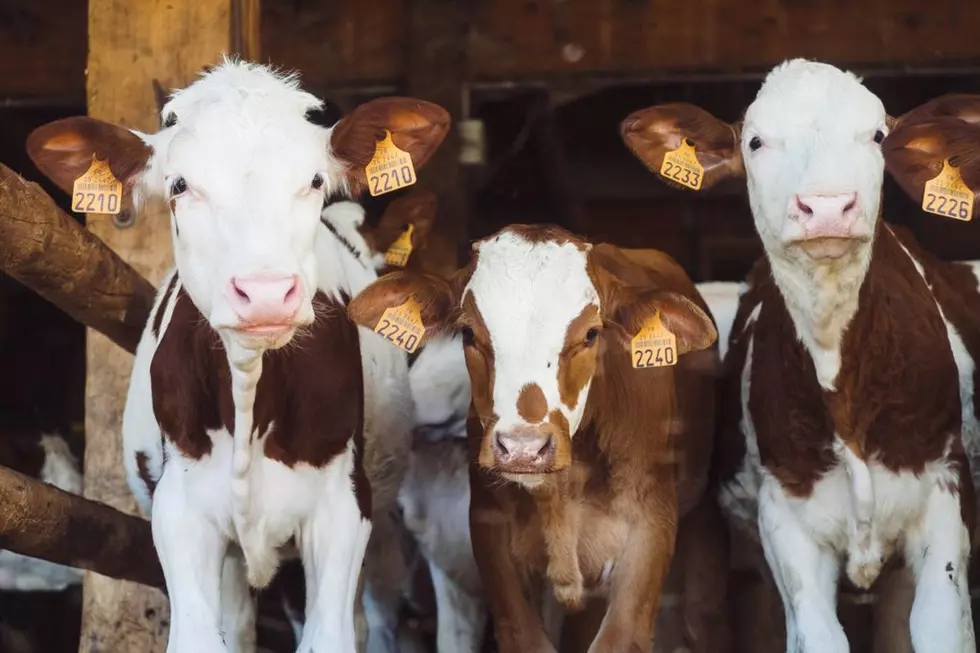

Rumen Health Technology Both A Short-term & Long-Term Investment
It’s a conversation picking up in frequency in the dairy industry; rumen health technology for calves. One livestock expert says these technologies can be a game changer not only in the lives of young calves, but also for the producer’s bottom line.
Dr. Jill Soderstrom, Dairy Young Animal Solutions Specialist for Purina Animal Nutrition, says the combination of probiotics, prebiotics and enzymes are critical for gut health. But it’s important to find the right balance, the Goldilocks complex; too much, too little or just right.
“So obviously the “too little” people are going to say, ‘what can I get by with too little?’ And I'm going to say in my opinion, I actually think that all calves really should be on some sort of gut health technology," she said. "And I really think that all of our calves have room to benefit from these technologies. Because if we think of what we're doing with our calves, every single calf that we're raising, if it's our, our replacement heifers or these crossbred calves first and foremost. One of the things we're doing is in trying to support the development of that microbiome and a lot of these technologies can play a role in supporting and helping us have a healthier, better microbiome. That's going to be better for digestion and also helping prevent some of those pathogens.”
Holding Back Bad For Multiple Reasons
Soderstrom added another reason to steer clear of the “too little” train of thought, the stress and immune responses in calves.
"And I'm going to tell you if there's a farm out there that could tell me that their calves never experienced stress, I would love to see it. But I think we all need to admit, even on our best managed farms, even those of us who care the very most about our calves, they do unfortunately experience some stress," Soderstrom said. "These are gonna be sometimes simple things like weather, you know, heat stress, cold, stress, but you know, our caves for the most part, live outside. They encounter pathogens and then some of what we have to do to keep our animals healthy; dehorning, castration, vaccinations. Those all have a benefit to the calf. But they do make the calf experience a little bit of stress. And when our calf experiences this stress, we trigger the immune system. Our naive immune system in that calf is actually kind of really slow, and especially when they're baby, it can actually be really energetically costly. So it actually takes a lot of energy from our babies.”
Soderstrom stressed producers that don’t feed their calves any of these technologies, they are missing out on an opportunity to support those little immune systems, and the long-term productivity of each calf.
For more from Soderstrom, listen to our entire podcast:
If you have a story idea for the PNW Ag Network, call (509) 547-1618, or e-mail glenn.vaagen@townsquaremedia.com
More From PNW Ag Network