
Placement Weight A Major Driver In Beef-On-Dairy Performance
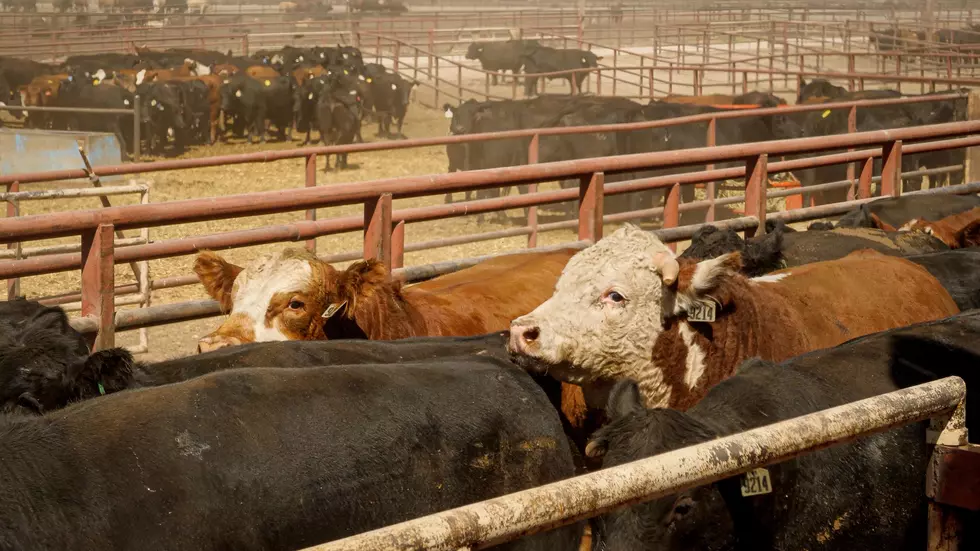
Beef-on-dairy cattle are becoming an increasingly important part of the nation’s beef supply, and new Kansas State University research suggests when those cattle enter the feedlot can make a big difference. Researchers found beef-on-dairy cattle perform best when placed at lighter weights.
Bigger Is Not Always Better
At 400 pounds, they gained about seven-tenths of a pound more per day than traditional beef cattle, while converting feed at a similar rate. The cattle also had lower mortality rates across placement weights ranging from 400 to 900 pounds.
But that advantage declined as placement weight increased.
At 900 pounds, traditional beef cattle gained about fifteen-hundredths of a pound more per day and beef-on-dairy cattle required more feed per pound of gain.
With the U.S. beef herd at historically low levels, beef-on-dairy cattle now account for roughly 20% of cattle entering feedlots.

Better Communication Is Needed Before Diary & Feedlot Operators
Improving cattle performance and feedlot efficiency can strengthen economic returns throughout the cattle supply chain. Feedlot profitability is tied to growth performance and carcass quality, though further research is needed to understand how specific production decisions affect carcass quality and grading for beef-on-dairy cattle compared with traditional beef cattle.

By producing more pounds of beef per dollar spent on feed, improved efficiency can strengthen feedlot margins and returns to cattle suppliers. For dairy farmers, stronger and more predictable feedlot performance can help sustain buyer demand and support the long-term market value of beef-on-dairy calves.
Researchers say earlier feedlot placement could capture more of the cattle’s efficient early growth, but would require closer coordination among dairy farmers, calf raisers, backgrounders and feedlots.

If you have a story idea for the PNW Ag Network, call (509) 547-9791, or e-mail glenn.vaagen@townsquaremedia.com
More From PNW Ag Network