USDA Says New Efforts Are In Place To Stave Off NWS
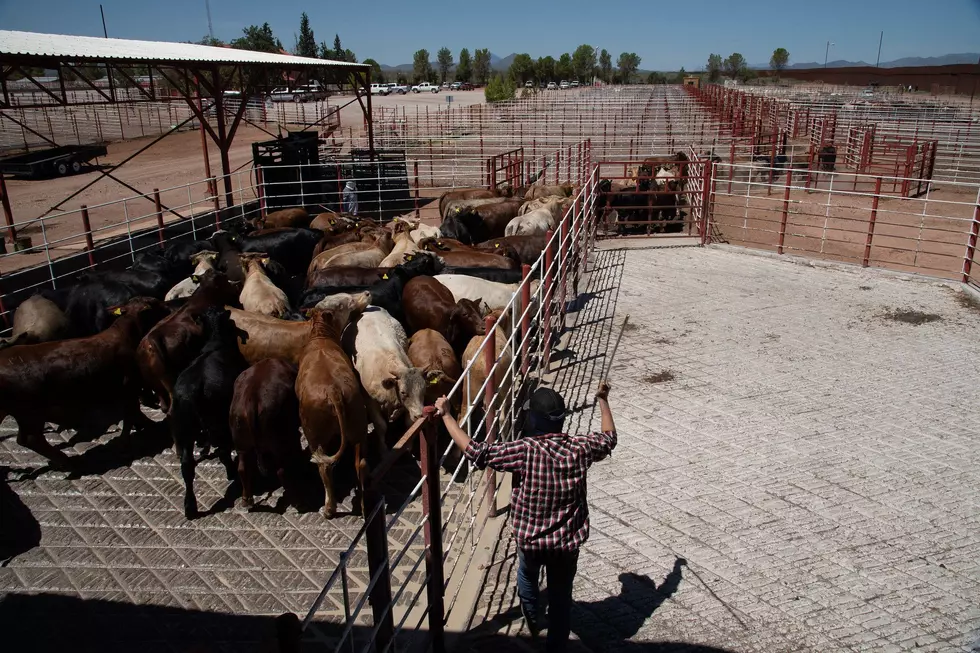
The U.S. is once again importing cattle from Mexico after halting imports due to the New World Screwworm. The USDA allowed imports to resume and implemented a three-stage protection protocol to help control the further spread of NWS in the U.S.
Alan Huddleston, acting chief veterinary officer at USDA, recently highlighted stage one of the Department’s protocol.
“The first step occurs at the export gathering centers or the farms of origin, and at that farm, within 30 days, an accredited veterinarian is authorized to do an inspection of the animals to ensure that they are not showing any signs of any kind of disease, but also specifically New World Screwworm infestation," Huddleston said. "And then, within about seven to 14 days prior to moving from that export gathering center, the animals receive a tick treatment. And three to five days before movement, they receive treatment with a product that actually treats and prevents New World Screwworm, so that they've had a treatment already. At that point, they have an international health certificate that is signed, so that they can move into the second stage.”

The second stage of the protocol Huddleston noted also starts south of the border.
"Still inside of Mexico, the pre-export facility, or PIF,: Huddleston added. "At the pre-export inspection, they arrive within 24 hours of when they would be crossing the border, and at that point, an official veterinarian from the Mexican Department of Agriculture does a second inspection of the animals to make sure that they're showing no signs of New World Screwworm infestation, and then they also share some information, especially with animal identification, because every animal that's coming across the border has to meet official identification requirements so they could be traced back to that farm of origin.”

And when it comes to the third and final stage of the protocol.
"At that facility, the first thing is that going from the PIF to the APHIS inspection facility, the animals move past detector dog teams, where they are scenting the animals to see if there is any suspicion of wounds and/or larvae for New World Screwworm," said Huddleston. "If they detect one, they give their handlers a signal so that we can immediately stop operations and evaluate the animal. They go through an inspection by an APHIS veterinarian or animal health technician as a third and final physical review of the animal to ensure they have no New World Screwworm infestation. We also do check that their official identification is in place and readable in an electronic format so that we can do a traceback if and as necessary. They swim through a vat of a treatment for New World Screwworm and/or any other kind of critter that might be hanging out on their hide. They dry, and then they are moved into the United States.”
If you have a story idea for the PNW Ag Network, call (509) 547-9791, or e-mail glenn.vaagen@townsquaremedia.com
More From PNW Ag Network