Livestock Producers Much More Optimistic Than Their Crop Growers
Earlier this month we told you farmer sentiment improved modestly in February, but producers remain cautious about the year ahead. Perhaps a stat that was lost in the February Purdue University/CME Group Ag Economy Barometer was the fact that livestock producers are almost 40% more optimistic than crop farmers.
Michael Langemeier, director of the Purdue University Center for Commercial Agriculture, said the difference in optimism is stark.
“Livestock producers reported an overall sentiment of 140. Crop producer sentiment was reported at 102, almost 40 points below the sentiment for livestock producers," Langemeier noted. "The difference was particularly wide for the Index of Current Conditions, reflecting stronger livestock markets and tighter crop margins. We also asked about capital investment plans. The Farm Capital Investment Index was 59 for livestock farms, but just 46 for crop farms. Both readings are well below 100, meaning more producers think now is a bad time to invest rather than a good time, but livestock producers are clearly more optimistic.”

An interesting change, Langemeier noted, happens when shifting from the short-term outlook to long-term strategy.
“About one-half of both crop and livestock producers plan to grow over the next five years," Langemeier said. "Moreover, 36% of all respondents plan to bring another family member into the business during that time. Passing the farm onto the next generation was the most selected long-term farm goal across both groups by a fairly wide margin.”

However, the difference in margins will continue to influence plans for crop and livestock producers.
“Looking ahead, the sharply divided margins between livestock and crop operations will likely continue shaping short-term sentiment and investment decisions," Langemeier said. "Stronger livestock returns are supporting confidence today, while tighter crop margins are constraining capital spending and elevating financial stress. For Midwestern crop farms, staying competitive will depend on improving productivity, carefully managing input costs, and strengthening working capital in an environment of uncertain prices and volatile returns. Disciplined machinery investment, cost control, and risk management will remain critical.”
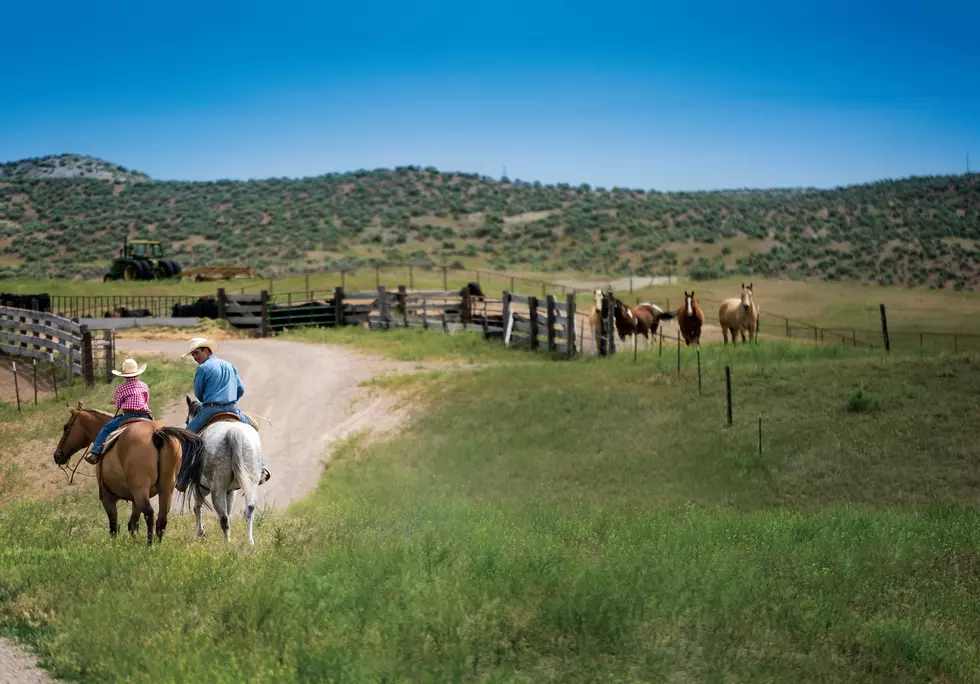
Livestock producers need to keep an eye on feed costs going forward to keep their margins strong.
“For livestock operations, stronger current conditions provide opportunity, but maintaining that advantage will require continued attention to feed costs, by far and away, the highest cost of most livestock farms, margin protection, and balance sheet discipline," Langemeier stressed. "Across both farm types, long-term growth and transition plans suggest producers are looking beyond today's margins. Strategic planning, succession preparation, and capital allocation decisions made now will shape competitiveness over the next decade.”
If you have a story idea for the PNW Ag Network, call (509) 547-1618, or e-mail glenn.vaagen@townsquaremedia.com
More From PNW Ag Network