As 2025 Draws To A Close, What Will Impact The Livestock Sector
As we continue to barrel toward the final months of 2025, what can ranchers expect as the year comes to a close. University of Idaho meat science professor Phil Bass said after a long, dry summer, some fall rains would be a welcomed sign.
“If we can get that maybe some early moisture in September, October time to just kind of get some of that cool season grass to pop back up and we get a little bit of extended grazing, that'll be really great," Bass said. "If we can get a really good grain crop out in the Central Plains, out in the in the Corn Belt, that's going to help to control or mitigate some of the additional costs that we're probably going to have out here in the West, considering our dry conditions.”
Carcass Weight Something To Watch
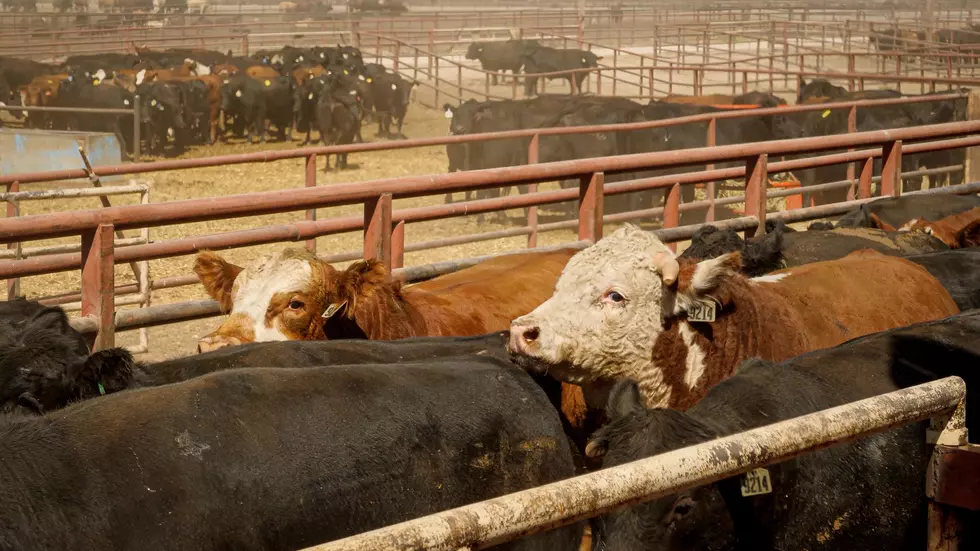
Carcass weight is also something Bass will be watching closely in the coming months. He noted that the summertime is typically when the lightest beef carcass weights are reported. This June and July, that wasn’t the case, with average weights coming in around 930 pounds.
“These animals are going to be huge. It's good for meat yield. It's good for tonnage overall. It's tough on the workers at the packing houses," Bass said. "So, we do have to make sure that we're running at line speeds that are good for them. It's tough on equipment when it gets that big. And so continuing to advance and just figuring out those conditions. But it'll be interesting to see just how big our average beef steer is going to be finishing out the year.”
If you have a story idea for the PNW Ag Network, call (509) 547-1618, or e-mail glenn.vaagen@townsquaremedia.com
More From PNW Ag Network