Idahoans Reminded To Watch For Bears
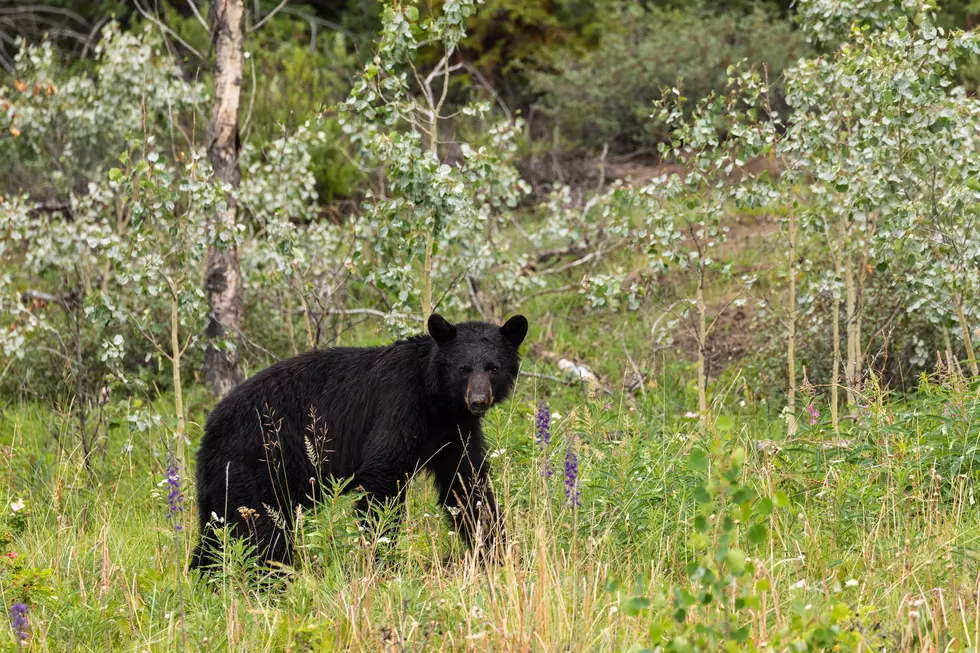
Bears are emerging from winter dens across Idaho, and Fish and Game is urging residents and visitors to stay “Bear Aware.”
Early spring is a critical time, as hungry bears search for food while natural sources remain scarce. That makes unsecured garbage, pet food, and even bird feeders powerful attractants, bringing bears dangerously close to people.
“When bears learn they can find easy meals around homes or campgrounds, it increases the likelihood of conflicts that can be dangerous for people and harmful to bears,” said James Brower, IFG Regional Communications Manager. “Properly storing attractants is the most effective way to keep you safe and bears wild.”

Idaho Fish and Game says simple steps can prevent conflicts.
At Home:
- Secure garbage in bear-resistant containers or store it indoors or in a hard-sided, locked building until the morning of pickup
- Remove bird feeders completely, or only use them when bears are hibernating (November–March)
- Store pet food and livestock feed inside or in a hard-sided, locked building. Clean up any spilled food
- Keep BBQ grills clean and store them in a secure location
- Protect livestock, beehives, fruit trees, and compost with electric fencing.
While Camping:
- Keep food and anything with a scent out of tents.
- Dispose of garbage in provided containers; otherwise, take it with you and dispose of it properly elsewhere. Do not bury or burn garbage.
- Properly storeunattended food and anything else with a scent. Food storage options are:
- Bear boxes
- Hard-sided vehicles (car, truck, RV). Avoid leaving attractants in vehicles for extended periods (backcountry trips)
- Certified bear-resistant containers
- Electric fencing, depending on local regulations and model or configuration of fence.

Hiking On Area Trails:
- Carry bear spray and know how to use it.
- Hike in groups of three or more people. Avoid hiking after dark, or at dawn or dusk, when bears are most active. Use extra caution in places where visibility or hearing is limited, such as bushy areas near streams.
- Be alert. See the bear before you surprise it. Watch for fresh tracks, scat, and feeding sites (signs of digging, rolled rocks, torn-up logs, ripped-open ant hills).
- Make noise. When hiking, periodically yell “Hey bear!” to alert bears to your presence, especially when walking through dense vegetation/blind spots, traveling upwind, near loud streams, or on windy days. Avoid thickbrush whenever possible. Bears often use the same trails hikers do, and are attracted to sources of food like berry patches or carcasses.
- View and photograph all wildlife from a distance. You should never come closer than100 yards to a bear.
Click Here for more tips on being "Bear Aware"
If you have a story idea for the PNW Ag Network, call (509) 547-1618, or e-mail glenn.vaagen@townsquaremedia.com
More From PNW Ag Network