
BRD Does Not Take A Season Off
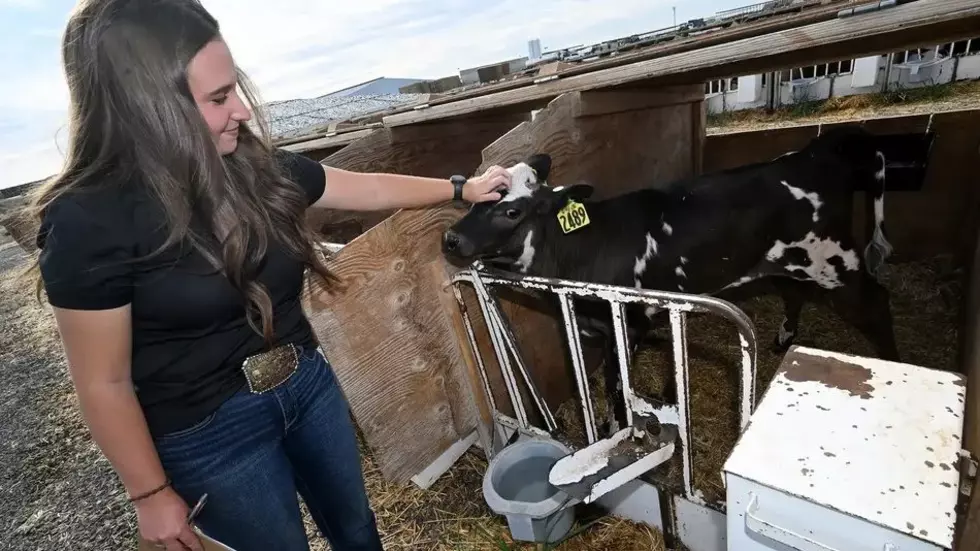
Bovine respiratory disease remains a costly challenge for dairy herds every year. Dr. Curt Vlietstra, a professional service veterinarian with Boehringer Ingelheim, said selecting the right vaccine is a big part of protecting a dairy calf’s health and future performance.
“BRD accounts for almost 25% of pre-weaned heifer deaths, and so deaths within the first 60 days of life, and more than half of weaned heifer deaths, so those that occur after 60 days but before they get into the lactating herd, so it's significant," Vlietstra said. "It's a compounding disease that never really seems to run out of opportunities to take money from producers. You know, there are studies that have shown that heifers challenged with respiratory disease within the first three months of life are more likely to calve at least three months later than those that didn't. And then, research has also shown that heifers challenged with respiratory disease, early in life, are likely to produce less milk in their first lactation, and that may even carry on into later lactations. That's why a strong vaccination program can help set calves up to better battle any future respiratory challenges.”

Three Things On Which Producers Should Focus
Vlietstra talked about questions producers need to ask their veterinarians when setting up a vaccination program.
“So, in selecting a respiratory vaccine, there are probably three main components to think about and ask your veterinarian about," said Vlietstra. "So, the route of administration. Injectable vaccines and intranasal vaccines are the primary way to go, especially for respiratory vaccine protection. Vaccine type. Should I be used in a modified live, or are there some instances where maybe a killed vaccine would be better? And then, the adjuvant type. And we don't necessarily talk about that as much, but it is equally as important, so what type of adjuvant? Does it even have an adjuvant, and what type and what role does that adjuvant play in building long-lasting immunity? It can be important to prioritize a vaccine that stimulates an immune response, even in the presence of maternal antibodies that come from feeding a high-quality colostrum.”

What Impact Will Stressors Play?
There are steps producers can take to ensure the vaccination program delivers the best results possible for their herds.
“Good questions to ask your veterinarian would be when's the right time to vaccinate so that maternal antibody doesn't block the response? And it's important to point out that the decline in maternal antibodies is different for every bug, every bacteria, and every virus. Then there's variation from calf to calf, so maybe consider a vaccine that works alongside your colostrum program instead of being blocked by them," Vlietstra continued. "Also, how do stressors like weaning, transportation, weather events, seasonality, and things like that affect vaccine performance? Can you kind of set it and forget it, or do you need to adjust your vaccine schedule around some of those events? Which diseases pose the greatest threat to the herd in your area, and also, just because that disease is there, do we have effective vaccines against those diseases? It's a lot easier and more economical to prevent disease than it is to treat. By the time we see calves that are sick, it's already well into the course of the disease, and some damage is done.”
Maintaining a clean, comfortable environment with plenty of clean air, fresh water, quality nutrition, and strong biosecurity can round out a good BRD prevention protocol. Vlietstra recommended for more information to visit CattleFirst.com.
If you have a story idea for the PNW Ag Network, call (509) 547-9791, or e-mail glenn.vaagen@townsquaremedia.com
More From PNW Ag Network