
Bird Flu Confirmed In Central Washington Dairy Cattle
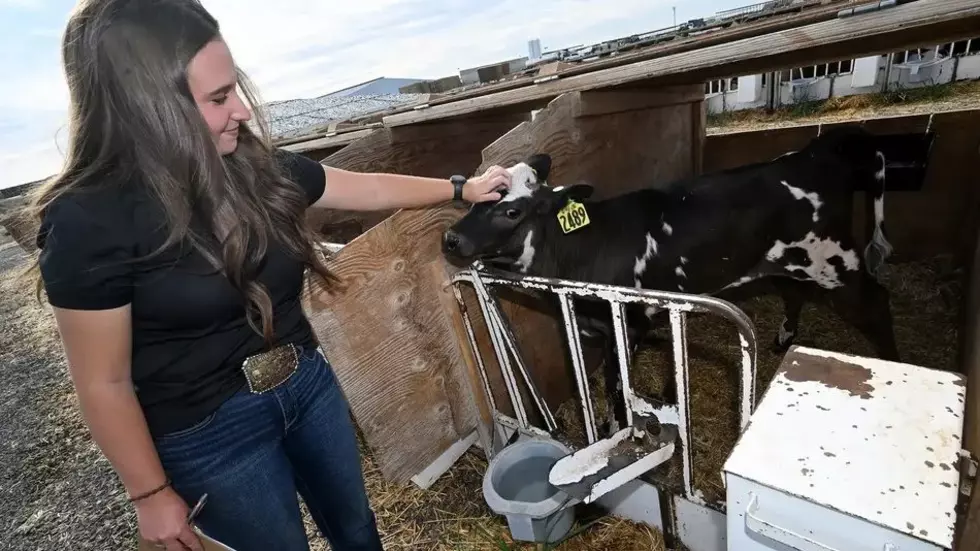
The Washington State Department of Agriculture has confirmed the state's first cases of highly pathogenic avian influenza in dairy cattle. The virus was detected at two Yakima County dairy farms. WSDA said both farms are under quarantine, with strict biosecurity measures in place, and veterinarians are reportedly treating sick cows.
“We appreciate how difficult this is for our dairy families, farmworkers and veterinarians that are working hard to keep animals safe and healthy,” said Washington State Veterinarian Amber Itle, VMD, MS. “The most important thing you can do is implement enhanced biosecurity and report symptoms immediately if animals show signs of illness.”
WSDA urges livestock owners statewide to report any clinical signs of illness to their veterinarian, including:
- Changes in milk appearance (thicker, often yellowish to brown)
- Decreased milk production
- Decline in feed intake
- Fever
- Respiratory symptoms
- Changes in manure
- Steep drop in rumination and rumen motility
Producers that notice any of these signs, isolate affected animals and contact your veterinarian and WSDA at (360) 902-1878 or E-mail Dr. Itle.

Protecting Your Herd
HPAI can spread between dairy cattle through infected animals and contaminated milk, equipment, vehicles, clothing, footwear and other materials or people that move between farms. Wild birds can also carry HPAI, but they are not considered the primary source of spread of the virus between dairy herds. Follow your biosecurity plan or write one with your veterinarian to incorporate enhanced biosecurity measures:
- Limit lactating animal movement between farms unless necessary
- Do not share equipment, vehicles or workers
- Clean and disinfect footwear before entering livestock areas
- Limit visitors and require clean clothing and footwear
- Isolate new animals for 30 days before introducing them to your herd
- Separate sick or suspect cattle from healthy cattle when possible
- Practice good milking hygiene and keep milk from sick or suspected sick cattle out of the bulk tank
- Restrict access to open water used by wild waterfowl
- Employ wildlife, wild bird, rodent and vector control
- Minimize contact with wild birds and other animals, particularly around cattle, feed, water and equipment
Most cattle affected by HPAI recover with supportive care with recovery typically taking about six weeks.

Dairy Product Safety
Pasteurization inactivates viruses and bacteria in milk, including HPAI virus, helping ensure the safety of the dairy supply. Infected cows can shed the virus in their milk, making raw milk and other raw dairy products unsafe for consumption. Avoid raw dairy product consumption, and do not allow your pets to consume raw milk or other dairy products, or raw foods such as raw meat.
The Centers for Disease Control and Prevention (CDC) and the Washington State Department of Health (DOH) currently consider the risk to the public from avian influenza to be low. However, people who work with or have recreational contact with infected birds, cattle or other potentially infected domestic or wild animals are at higher risk and should take precautions, including wearing personal protective equipment (PPE) such as gloves, masks, eye protection and fluid-resistant coveralls or other outerwear.
WSDA says this is the first case of HPAI following more that 7,000 surveillance tests over the past two years.

If you have a story idea for the PNW Ag Network, call (509) 547-9791, or e-mail glenn.vaagen@townsquaremedia.com
More From PNW Ag Network