
Clearing Up The Alphabet Soup When It Comes To Ag Trade
Market access, the single most important component of U.S. ag exports that register as sales to America’s Ag producers. How to achieve market access within the framework of the U.S. Department of Agriculture is diverse.
“Our agribusiness trade missions are one aspect of our trade promotion programs that help build buyer-seller relationships and put our commodities and our great Ag products into markets all around the world,” noted USDA Under Secretary for Trade and Foreign Agricultural Affairs Luke Lindberg
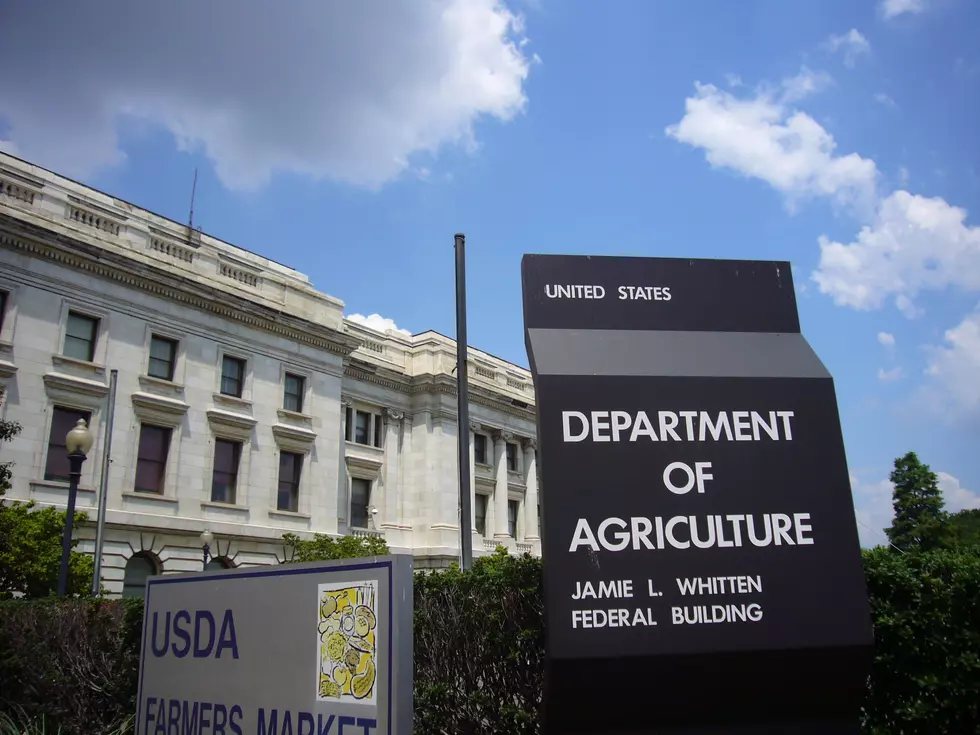
“The ABC soup of acronyms,” noted Lindberg. “That's really the umbrella organization at the U.S. Department of Agriculture that supports all of our international activities."
Trade and Foreign Agricultural Affairs, better known as TFAA oversees FAS, the Foreign Agricultural Service.
Trade Efforts Take Place Across The Globe
“The Foreign Ag Service has bodies embedded in embassies all around the world that work every day to make sure that our producers are not being disadvantaged around the world in terms of selling their products, also opening up new marketing opportunities, building buyer-seller relationships, helping with our trade missions, really being our boots on the ground day to day,” he noted.
A global network of nearly 100 offices covering approximately 180 countries. Then there are the acronyms of the various programs within FAS, programs that support market promotion and development of U.S. farm and food goods, some that may come mind right away include the Market Access Program and the Foreign Market Development Program, FMD.
We Give Growers And Producers Needed Resources
“Programs that are designed to support our commodity producers and food producers domestically,” Lindberg said. “Your average soybean farmer is probably not going to go out and market their soybeans directly. And so what we do is we work with these ag cooperators like the U.S. Soybean Export Council and the U.S. Dairy Export Council and the U.S. Meat Export Federation and many of these partners around the agricultural barnyard to give them resources to do that marketing on behalf of specific producers and producer commodity types.”
These collaborative marketing efforts, Lindberg added, include USDA-led agricultural trade missions, ATMs.
“This year alone [2025], we have helped over 200 ag export companies participate in these agribusiness trade missions,” he said. “Total, we've organized to the Foreign Agricultural Service over 2,800 business-to-business matchmaking meetings on these trade missions. And we are estimating right now over $120 million in new sales directly attributable in the next 12 months for companies that participated in our agribusiness trade missions.”
At agricultural trade shows, domestically and internationally.
We Take Trade Talks To Where Our Customers Are
“Our team is active in hosting booths and pavilions for our folks,” Lindberg added. “We're going about the business of making sure that if there is a market around the world for our products, that the consumers in those markets find a way to get touch point from our agribusinesses here in the states to expand those ties and build long-term, lasting relationships that can really materialize into an important new market for many of these producer groups here in the U.S.”
Recently, Agriculture Secretary Brooke Rollins and the undersecretary announced a three-part plan to build U.S. ag trade and export opportunities. Acronyms include AFTPP, the America First Trade Promotion Program.
“We've announced a $285 million program that is essentially doubles our investment in those trade promotion programs that help sell our products,” Lindberg said.
Complementing programs like MAP and FMD. Funding applications are now being accepted through January 23rd. Part two of the three-part plan features a new model of Ag trade mission, a supplement to existing models called trade reciprocity for U.S. manufacturers and producers.
Opening Markets Is Only Part Of The Effort
“We wanted to get wins in those markets where the president has unlocked new market access,” Lindberg said.
With an example be the May 2025 Ag trade mission to the United Kingdom and its opportunities to expand U.S. ethanol exports to that market. The third leg of the three-point Ag trade plan involves a revitalization of export finance opportunities, such as through USDA's GSM 102 credit guarantee program.
“Tweaking and revitalizing it so that it's really targeted and provides the exact right financing at the exact right moment to help make sure no foreign buyer doesn't have what it needs to be able to purchase American commodities,” Lindberg added.
If you have a story idea for the PNW Ag Network, call (509) 547-1618, or e-mail glenn.vaagen@townsquaremedia.com
More From PNW Ag Network