
USDA Unveils Regenerative Feedstock Rule for Biofuels
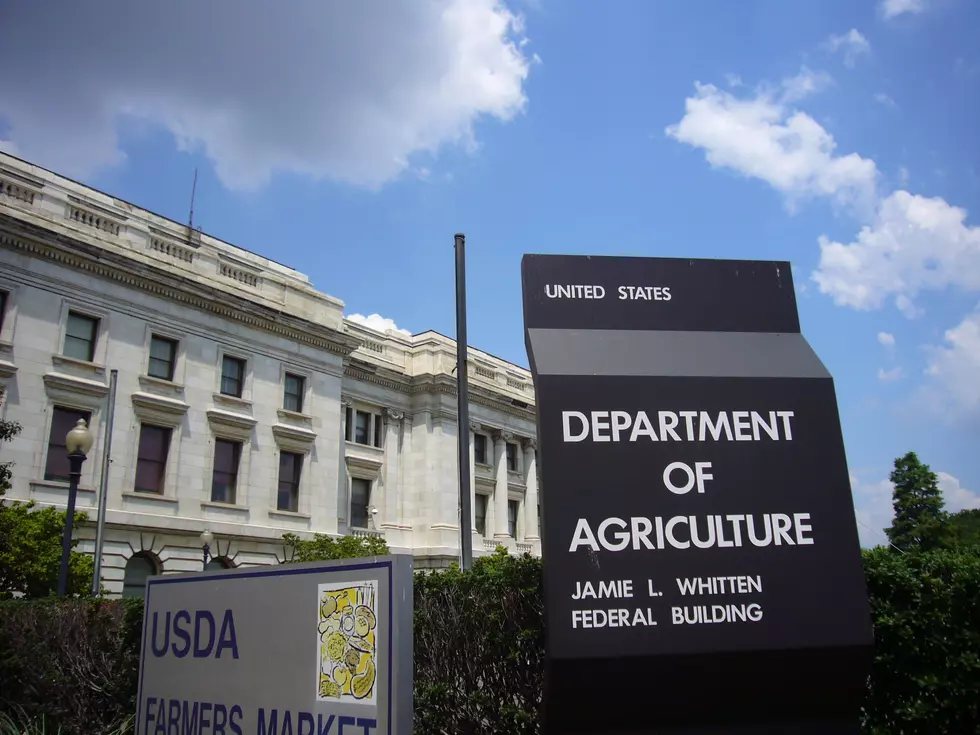
USDA has finalized a new rule designed to expand market opportunities for farmers producing crops used in low-carbon biofuels. Announced alongside President Trump's executive order promoting regenerative agriculture, the Regenerative Feedstock Rule establishes a framework to connect regenerative agriculture practices to new markets within the biofuel supply chain for corn, soybeans, sorghum, and spring canola. These standards include:
- Covered biofuel feedstock crops and participating entities throughout the supply chain;
- Field-level quantification of crop-specific carbon intensity;
- Mass balance chain-of-custody standards, including traceability and recordkeeping;
- Auditing and verification requirements; and
- Regenerative agriculture practice standards for covered feedstock crops.
“[The] USDA’s Regenerative Feedstock Rule put farmers, not Washington bureaucrats, in the driver’s seat. Instead of mandates, we’re creating market opportunities. Farmers who choose to implement regenerative practices will have new opportunities to earn premium prices, lower their input costs, improve soil health, and strengthen the long-term profitability of their operations,” said Ag Secretary Brooke Rollins. "This is exactly what President Trump’s America First agenda looks like: empowering farmers and ranchers, supporting rural communities, driving lower input costs, improving farmer profitability, advancing regenerative agriculture, and helping Make America Healthy Again.”

According to Ethanol Producer Magazine, the rule could create additional value for farmers supplying feedstocks eligible for the federal 45Z Clean Fuel Production Credit by providing a standardized pathway for documenting qualifying production practices. Agricultural organizations are reviewing the final rule to determine how growers and biofuel producers may participate as implementation guidance becomes available.
USDA noted in last week's announcement, these actions build on USDA’s Regenerative Pilot Program that provided $700 million to help American farmers adopt practices that improve soil health, enhance water quality, and boost long-term productivity, all while strengthening America’s food and fiber supply. Under this pilot USDA has already completed over 67,000 whole farm conservation plans, covering more than 49 million acres and over 1,500 conservation contracts worth more than $200 million.

If you have a story idea for the PNW Ag Network, call (509) 547-9791, or e-mail glenn.vaagen@townsquaremedia.com
More From PNW Ag Network