
Your 4th Of July BBQ Will Cost More This Year
Families celebrating the 4th of July next week with a cookout will pay slightly higher grocery prices this year. American Farm Bureau Federation economist Faith Parum said their annual cookout survey cost reflects the overall rate of inflation, noting that in 2026, it will cost $7382 to feed ten guests, which averages to about $7.38 per person.
“This year, the basket is a bit more expensive, but it's actually holding pace with inflation, so our cost is up about four percent from last year, but the overall annual inflation rate in the United States is 4.2%, and so we're right at the inflation levels," Parum said. "We've been holding steady the last few years when we adjust for inflation, down from some of those record highs we saw in 2022.”
The AFBF basket, by the way, includes summer cookout staples such as cheeseburgers, chicken breasts, pork chops, potato chips, pork and beans, fresh strawberries, homemade potato salad ingredients, fresh-squeezed lemonade ingredients, chocolate chip cookies and ice cream.

Foods That Saw The Biggest Changes
Where will consumers see the most notable price changes?
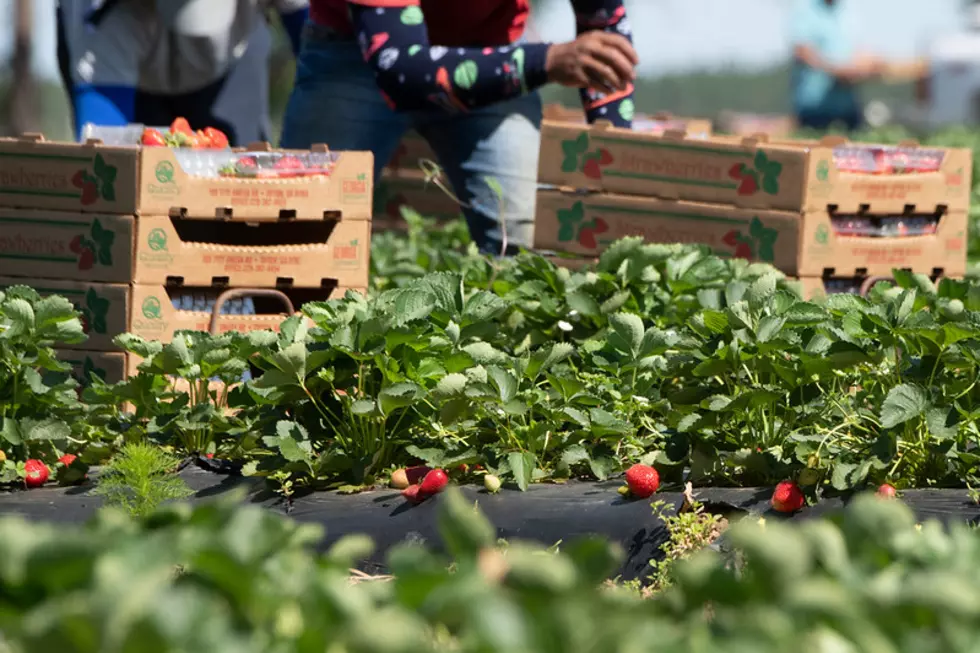
“The first is beef," Parum said. "We see higher beef prices this year. For strawberries, we saw a price increase that's mainly due to a devastating freeze in Florida. We have two items decreasing: potato salad and chips. That's mainly due to the decrease in potato prices, but for potato salad, it's largely being driven by the decrease in egg prices.”
The Farm Bureau has been conducting this volunteer shoppers survey since 2016.

The Farmer’s Share
Higher grocery prices do not necessarily mean higher profits for farmers and ranchers. After expenses, farmers receive less than six cents of every food dollar. Most of what consumers pay at the grocery store reflects costs that come after the farm gate, including processing, packaging, transportation, marketing and retail.
At the same time, the farmer's cost of production continues to climb. Farmers and ranchers are paying more for labor, fuel, fertilizer, equipment, land, repairs and other inputs, while many commodity prices remain below recent highs. Those pressures make it harder for farms to absorb weather disasters, animal disease, supply chain disruptions and market volatility.
The Farm Bureau noted that even in a challenging farm economy, farmers and ranchers remain committed to producing a safe, affordable and abundant food supply. But keeping that food supply strong will require support and stability. That commitment is especially important as the U.S. celebrates 250 years of independence and looks toward the future.
If you have a story idea for the PNW Ag Network, call (509) 547-9791, or e-mail glenn.vaagen@townsquaremedia.com
More From PNW Ag Network