Turkey Do’s And Don’ts This Holiday Season
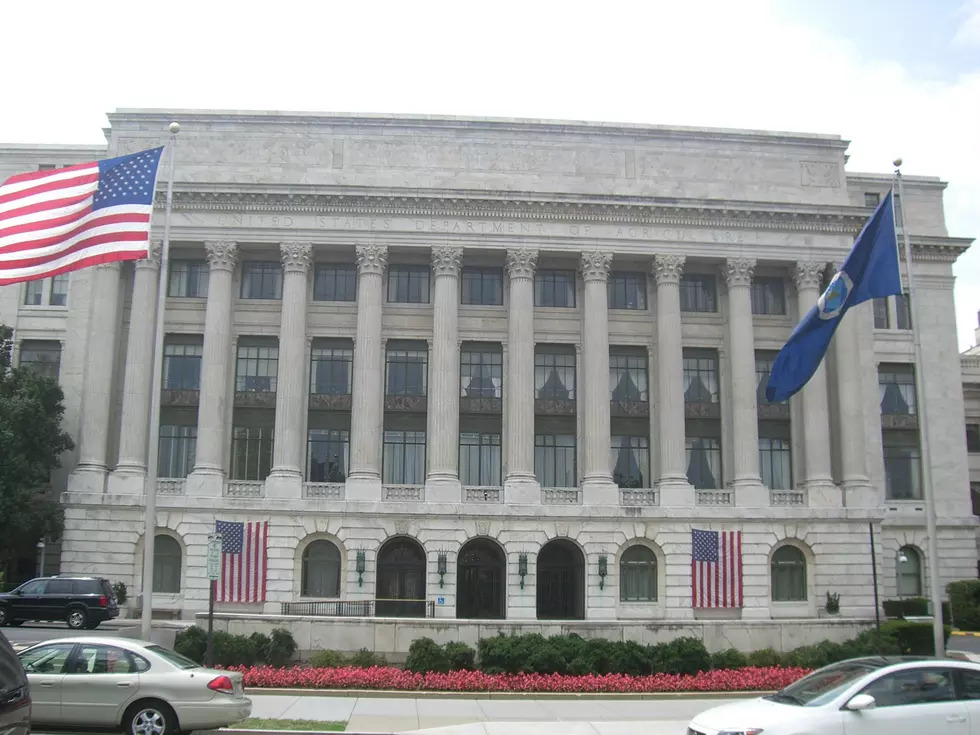
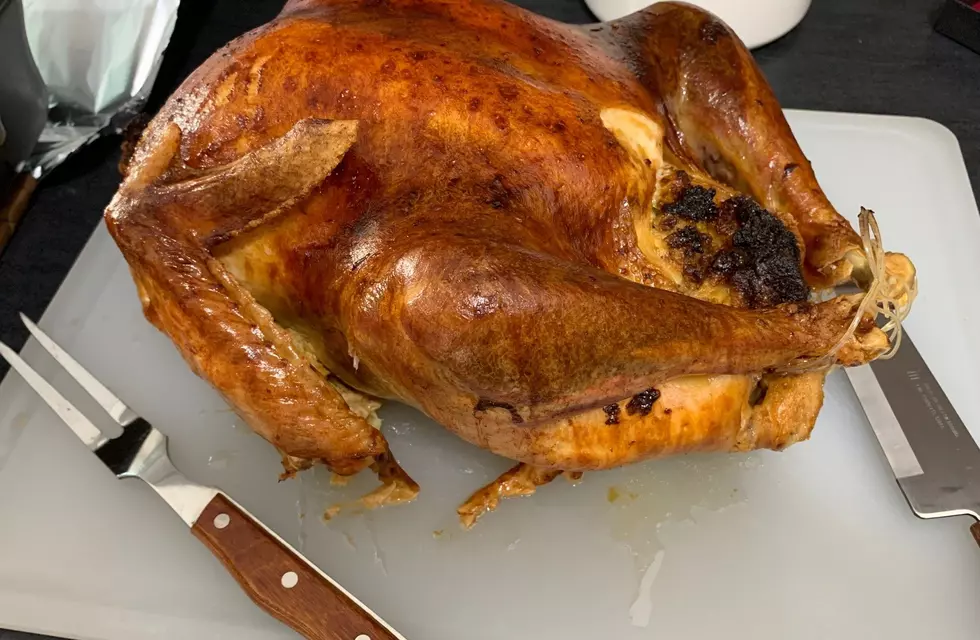
It's that time of year USDA's Meat and Poultry Hotline gets its fair share of food safety questions about preparing that Thanksgiving meal centerpiece and even some of the side dishes.
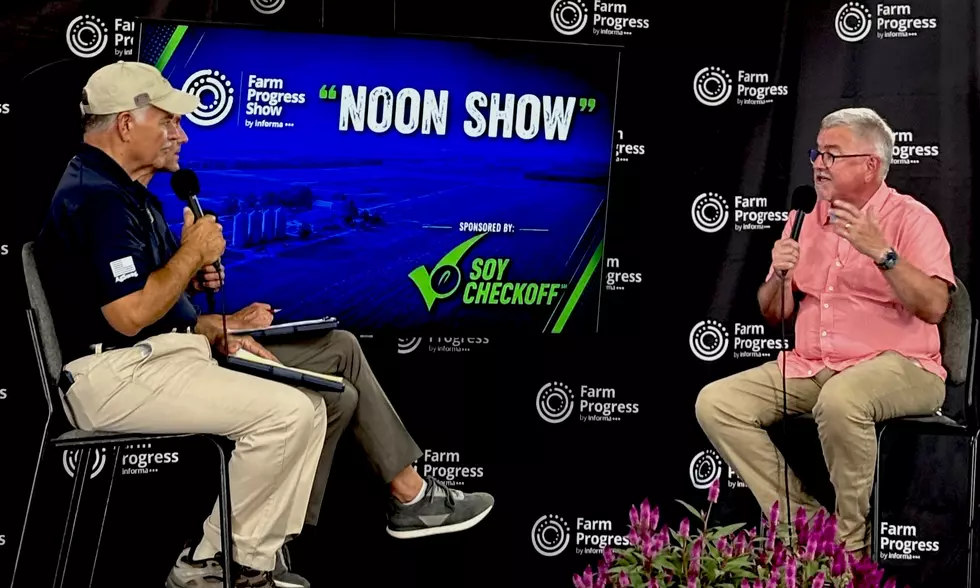
“We've gotten like a lot less of crazy stories in recent years, but throughout the years that the hotline has been operating, we're at like 35, almost 40 years of the Meat and Poultry hotline, it has been a journey,” noted USDA food safety expert Meredith Carothers.
What do Thanksgiving and the Super Bowl have in common? Carothers says for her and her colleagues operating the Agriculture Department's Meat and Poultry hotline.
“Thanksgiving is our food safety Super Bowl of the year,” Carothers noted. “From actual football Super Bowl, we really lean into Thanksgiving because there are just so many food safety points to make and so many things to consider.”
The Holidays Are A Stressful Time Of Year, So Mistakes Will Happen
If one thinks about it, the person responsible for cooking that Thanksgiving meal may be under stress for a myriad of reasons.
“A lot of times tensions are high with timelines, with trying to impress loved ones, or the pressures of doing this for the first time, etc.” Carothers said. “So, there's a lot that goes on. There's a lot of things that people might miss or might not feel like they have time to do. And unfortunately, some of those shortcuts impact food safety.”
And that could lead to cooks missing something in the meal prep process or taking shortcuts that could lead to a food safety issue. Advanced planning plays a key role in a successful and safe Thanksgiving dinner.
“What you're making, how you're making it, where you're taking it, how long you need to prepare it and cook it and whatnot, all factors into each other for the ultimate plan of success,” Carothers added.
Plan On Plenty Of Time For Your Bird To Thaw
She reminds consumers that preparing a frozen versus a fresh turkey has different food safety considerations. Ample time must be given for a frozen turkey to thaw, 24 hours for every four to five pounds of meat to thaw in the refrigerator.
“Using a refrigerator is the safest way to thaw the turkey just because it's constantly at a safe temperature,” she added. “It’s also easy because you don't have to think about it. Put it in the fridge, you let it thaw, and then take it out to cook it.”
Carothers said it’s important to put the frozen turkey in a bowl to catch any thawing juices and avoid spillage.
For those that plan to purchase a fresh turkey, she said it’s important to check out the use or freeze by date on the packaging.
“That has a use or freeze by date on it, not a sell by date,” Carothers stressed. “A use or freeze by date on it. The poultry industry has said those use by dates are fine to use, meaning if you buy a fresh turkey that has a used by or best by date on it, you can keep that turkey in the refrigerator until that date.”
If You're Using A Deep Fryer, Be Safe
An important food safety tip at cooking that turkey. While even a still somewhat frozen turkey can be cooked in an oven where it cannot be cooked, is in a deep fryer.
“If you put frozen anything into hot oil, the ice crystals turn into steam immediately,” she said. “And then when there's such a high quantity of that happening, it can cause the deep fryer oil or the hot oil to bubble up and bubble out. Which is then when you see those terrible deep fryer videos happening.”
Now Carothers acknowledges there have been some very unique questions posed to staffers of the USDA Meat and Poultry hotline over the decades regarding Thanksgiving meal food safety.
“The turkey was brining in a trash bag and then we put it in the oven and there was still trash bag and now there's melted plastic and can we still eat the turkey? Somebody tried to thaw their turkey in a dishwasher; or in the shower. Maybe some obvious or even not so obvious reasons we wouldn't recommend doing that.”
Yet one trend noticed by Carothers is fewer of these unique food safety questions over time on the hotline. Why is that?
“People call and learn and then in theory pass that information on to others,” she said. “And a lot of what we learn in cooking comes from cooking with others. And then our team at the Meat and Poultry hotline, plus the rest of our food safety education team, put out some very helpful resources. We develop partnerships and we do as much as we can to really get food safety information into the hands of consumers.”
Reach Out To The Hotline With Any Questions
If you have questions about anything related to food safety, you can reach out to the USDA's Meat and Poultry Hotline at (888) MP HOT LINE (1-888-674-6854). The hotline is open year-round, weekdays from 7a-3p Pacific. And they offer information and advice in both English or Spanish. Of if you prefer you can also e-mail the Meat and Poultry hotline at mphotline@usda.gov
If you have a story idea for the PNW Ag Network, call (509) 547-1618, or e-mail glenn.vaagen@townsquaremedia.com
More From PNW Ag Network