meteorologist

La Niña Bad for Winter Wheat, Rippey Notes
What does the La Niña weather pattern have to do with condition ratings for the current winter wheat crop? "La Niña does not particularly bode well for the outcome," said USDA meteorologist Brad Rippey. "We oftentimes see dry spring weather across the central and southern great plains.  They would ...
Report: Climate Change Contributed to Some of 2020’s Worst Weather
According to new research published Wednesday in the Bulletin of the American Meteorological Society, human-caused climate change makes extreme weather events more likely into the future. The 10th edition of the report, Explaining Extreme Events in 2020 from a Climate Perspective, presents 18 new peer-reviewed analyses of extreme weather across the world during 2020 ...
Lohmann: Expect A Dry September, Good Possibility of La Niña
While the season technically runs through September 23rd, many consider this weekend the end of summer. As we look back on the summer of 2021, meteorologist Marilynn Lohmann with the National Weather Service said the year will go into the record books for a variety of reasons, whether it was the record heat experienced in June, the extreme drought or a little of both ...
Rippey: Spring, Winter Wheat Continue To Struggle Because of Drought
When it comes to the Spring Wheat crop, Brad Rippey says things really don't look good right now. The USDA meteorologist said the very dire drought situation across the Northwest and the Northern plains is starting to have a big impacts. "And it's coming at a time when the crop is heading out and attempting to fill ...
Rippey: Pasture Conditions Still Dire
To start the month, the USDA reported 39% of pastures and rangelands across the nation were in poor to very poor condition.  Last week, that figure improved slightly to 37%, but according to USDA meteorologist Brad Rippey, pasture and rangeland conditions remain a huge concern. He ...
Western Drought Continues To Intensify
Despite an overall decline in drought conditions across the continental United States over the past month, drought conditions intensified across much of the west. "As we move in to the month of June we continue to see at least two thirds coverage of the two highest drought areas D3 to D4 or extreme to exceptional drought in a number of western states including California, Nevada, Utah, Arizon
National Pasture Conditions Improve, But Not In The Northwest
Pasture and rangeland conditions have improved across the central and southern Great Plains, thanks to abundant rainfall as of recent. "As of the 30th of May, we're seeing the good to excellent rating 31% nationally That's up 3% from last week, but we still see39% of the pastures and rangelands rated very poor to poor no change from a week ago ...
2021: Marks Second Year Of Bad Precipitation Levels
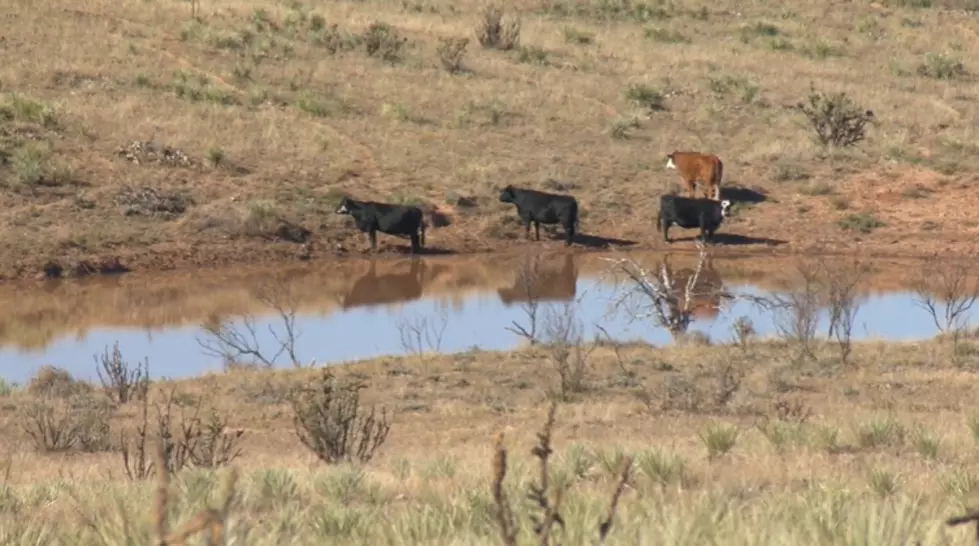
Unfortunately, for western growers, 2021 marks the second poor year in a row of poor precipitation numbers. "And that goes for about everything except the northern tier of the western US. So everything really from Oregon and California, eastward through Wyoming and southwards of the southern Rockies," said USDA Meteorologist, Brad Rippey ...
Sugar Beet Plantings Ahead Of Average Nationwide
Sugar beet planting nationwide is nearing completion, a little earlier than normal. According to USDA meteorologist Brad Rippey, 81% of the U.S. crop was planted by May 2nd, ahead of the five-year average of 51% and last year's 47%. "We're seeing planting approaching completion in Michigan 95% complete, and Idaho 93% ...
National Winter Wheat Conditions Behind Average
With drying conditions reported across a fair portion of the country, what impact has that had on winter wheat? "We see 5% of the U.S. winter wheat headed on that date," noted USDA Meteorologist, Brad Rippey. "The April 11th Average is 7%; last year 6% headed ...

Load More Articles