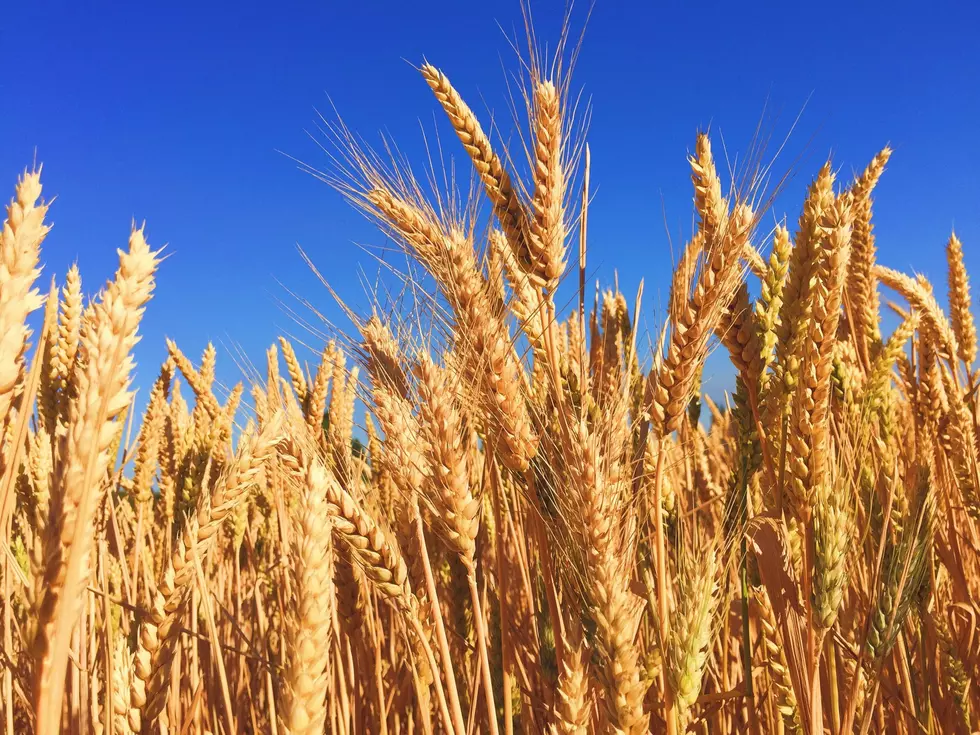
When it comes to the condition of the winter wheat crop, there’s very little to report in the Northwest. However, nationally, we’re seeing numbers come from the southern and central plains.
“It really highlights just how much stress there is on this 2022-2023 winter wheat crop," said USDA meteorologist Brad Rippey.
And when it comes ...
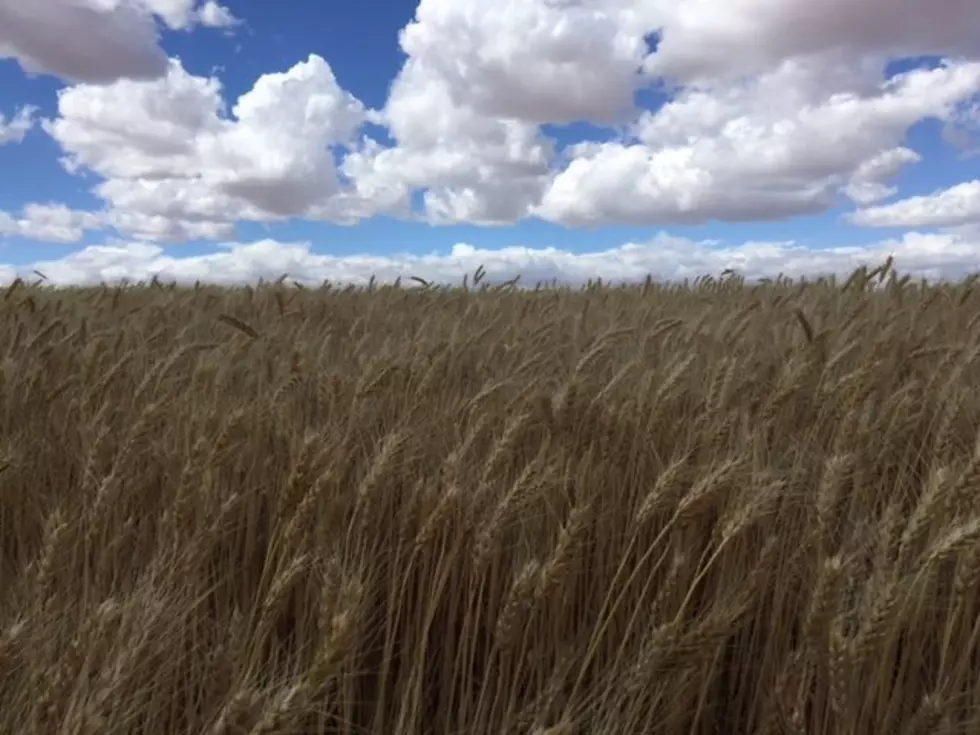
The winter wheat crop continues to be a challenge nationally.
“An interesting start to the season, not necessarily in a good way,” noted USDA meteorologist Brad Rippey. He added it's been that way for several months, where many production areas, including the Northwest, have been very dry. Rippey said some locatio...
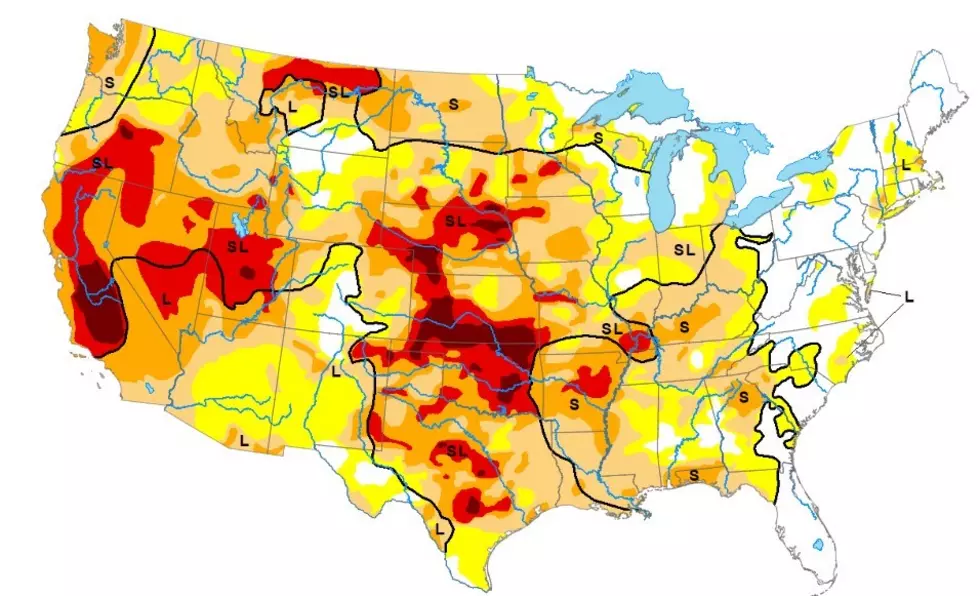
"Presently, we do have drought in all three of the nation's major where we production areas. The white winter wheat in the Northwest the hard red winter wheat across the Great Plains and the soft red winter wheat it's grown from the mid-South into the lower Midwest.”
...
Last week, we told you how a high pressure dome over the southern and central Plains contributed to the flooding at Yellowstone National Park. That dome of high pressure is having another impact on the farming community.
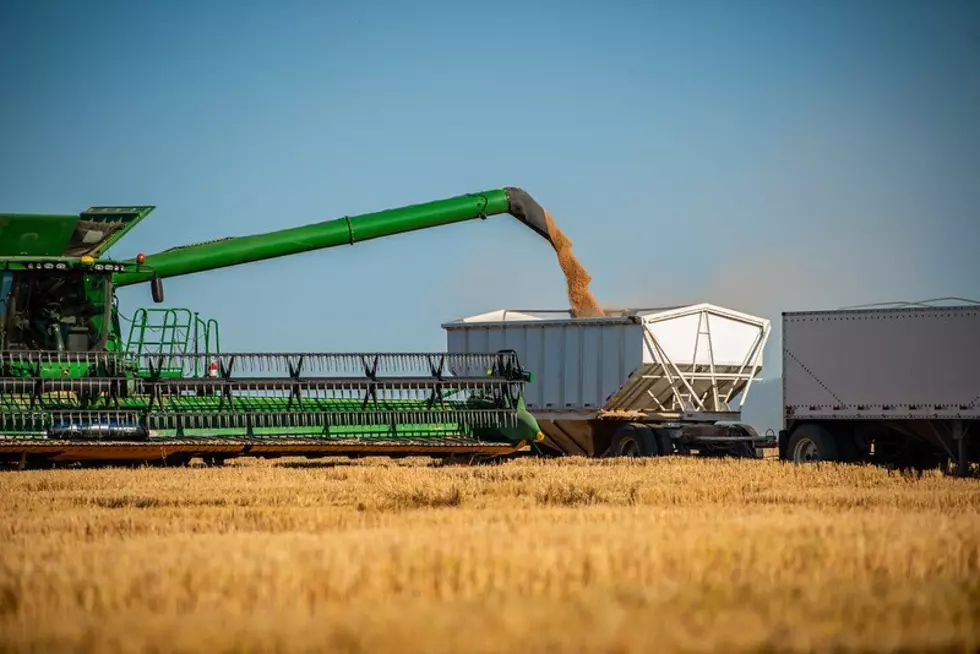
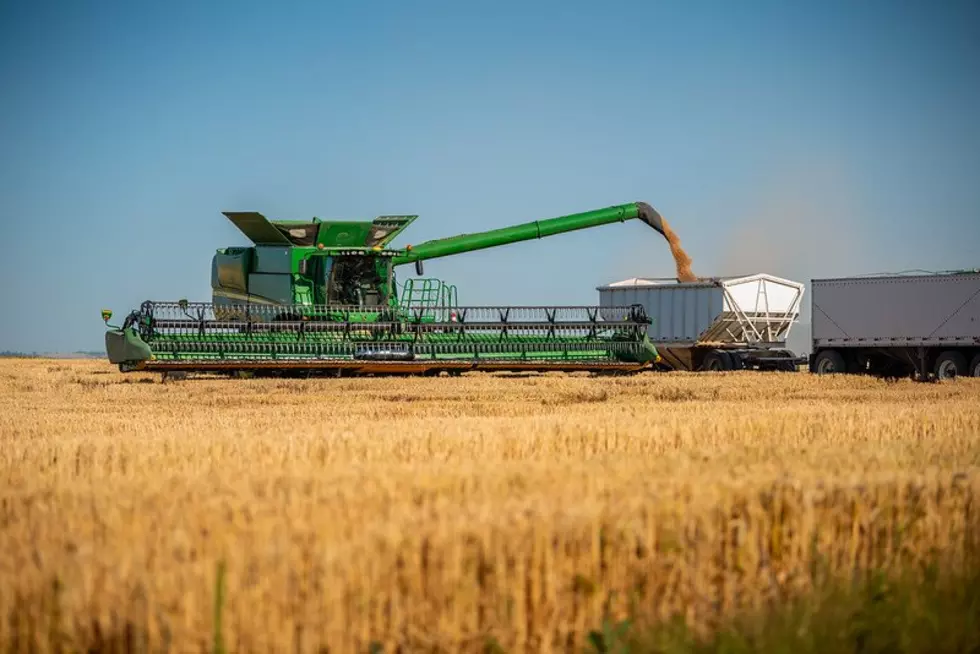
"It does help winter wheat with the dry down, with the maturation period and also for harvest activities," said USDA meteorologist Brad Rippey. So...
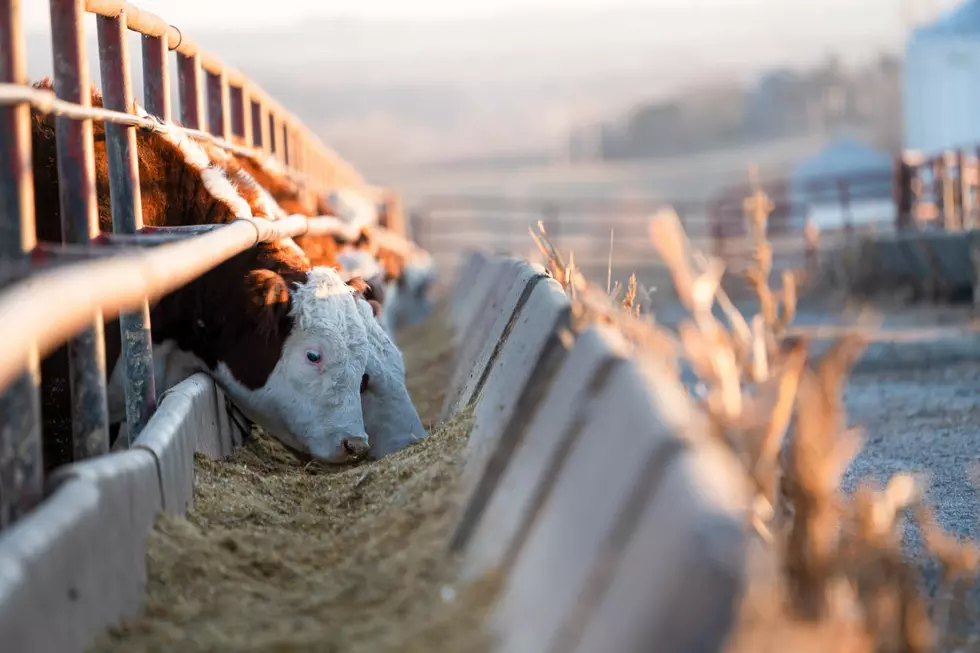
Placements were the story of USDA’s most recent Cattle on Feed Report. Placements were up 9% year-over-year, driven primarily by the poor pasture conditions in the Plains region. Derrell Peel, livestock economist, says cattle and calves on feed for the slaughter market in the U.S. fo
...
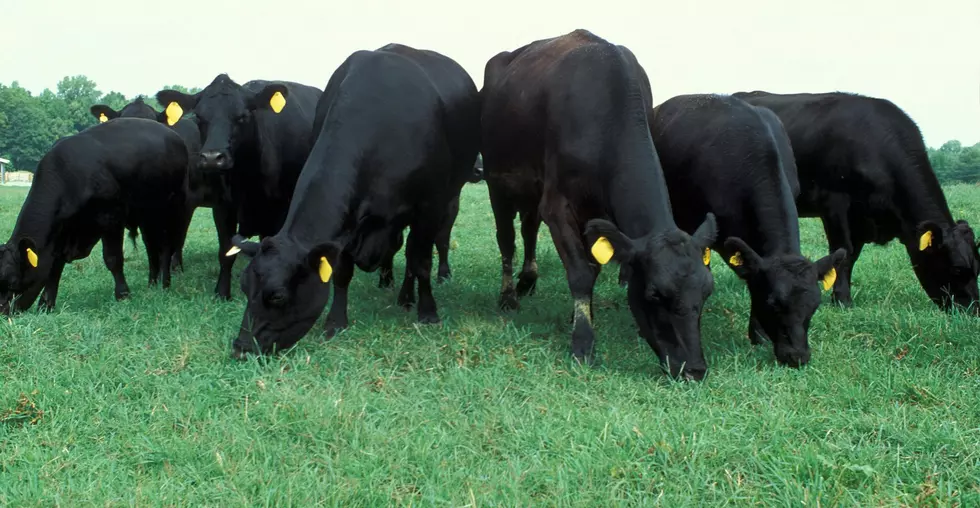
The primary focus for the American Angus Association has remained unchanged generation after generation, providing the best cow and best bull to ensure producers have the best bottom line at sales time. Jeff Mafi, regional manager with the American Angus Association, said one of their top priorities is to have the most robust and up-to-date genetic database
...
For most of the nation's spring wheat growers, it's been an abysmal growing season according to USDA meteorologist Brad Rippey. He recently noted only 16% of the national spring wheat crop is rated good to excellent, while 55% rated very poor to poor
...