
How Will “Super El Niño” Impact Farm Country?
Forecasters say conditions are pointing to a “Super El Niño” in North America this summer, but what is that and what implications does it hold for farmers? AccuWeather senior meteorologist Chad Merrill said it all begins in the Pacific.
“An El Nino is essentially a warming of the waters in the equatorial Pacific," Merrill said. "Over the last couple of years, we've seen La Niña conditions, that is cooling of the water. But what makes this one rather exciting and potentially Super El Niño, is that we are seeing waves of warm water from the West Pacific move east, and we've seen that since the middle to later part of the winter season, and that is warming the waters off the coast of South America.”

El Niño Usually Means Warmer, Dryer Weather In The PNW
Merrill says an El Niño means different things to different parts of the country.
“The Corn Belt should fare well this summer, with episodes of showers and thunderstorms," he said. "Now in the eastern part of the country, the Southeast is dealing with a significant drought all the way up and through the mid-Atlantic. This deficit of rain will continue through June and probably the middle of July. Once we flip the switch to late July and August, that's when we see a return to near average rainfall. So unfortunately, the timing of the rain is going to be closer to the end of the summer.”
Fewer Hurricanes?
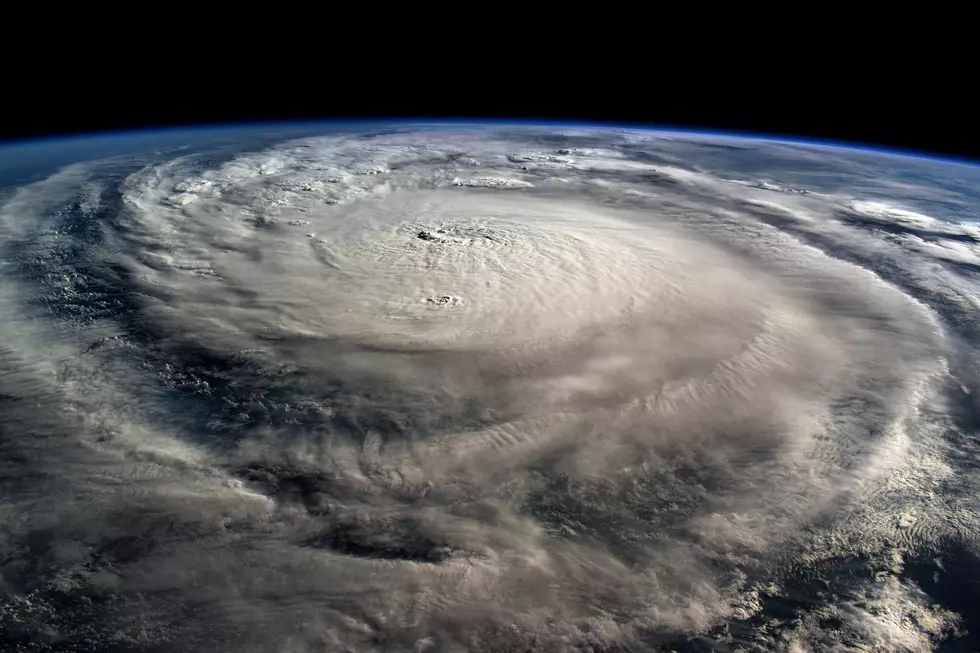
Super El Niño also impacts the Atlantic hurricane forecast.
“When you have these strong subtropical jet stream winds push into the Atlantic, like we'll have this summer, that shears them apart and keeps them from fully developing," Merrill said. "So what it's going to do is create an environment in the Atlantic Ocean that is conducive to average to below average number of named storms, hurricanes and large hurricanes.”
If you have a story idea for the PNW Ag Network, call (509) 547-9791, or e-mail glenn.vaagen@townsquaremedia.com
More From PNW Ag Network