
Specialty Crop Growers Ask For Help Increasing Demand
This week, the House Agriculture Committee held a hearing on increasing demand and opportunities for homegrown U.S. products, both domestically and overseas. Alexis Taylor, former director of the Oregon Department of Agriculture, and current chief global policy officer for the International Fresh Produce Association, said specialty crop producers need more demand for their products.
“They feed American families, support two million jobs, and contribute more than $335 billion to the U.S. economy each year. American specialty crop growers have faced a convergence of economic pressures over the past several years," Taylor told lawmakers. "Input, regulatory, and labor costs have all risen sharply. Farm returns have not kept pace, and these challenges are amplified for specialty crops, which are uniquely labor-intensive and often have limited ability to absorb input cost increases because of their perishable nature.”

Help Should Be Based On Losses, Not Acreage
Taylor said specialty crop growers need some help to stabilize the industry against further challenges.
“A strong specialty crop sector requires more than productive farms," said Taylor. "It requires profitable markets, growing consumer demand, and the ability to compete. For growers, that means connecting American production with consumers at home and market opportunities abroad. In the short term, IFPA and the Specialty Crop Farm Bill Alliance are calling on Congress to provide dedicated economic assistance of no less than $5 billion dollars for specialty crop growers, but the amount of assistance is only part of the equation. Program structure matters just as much. Assistance should be based on actual sales losses, not acreage, to provide a more accurate measure of economic harm across a sector with widely varying crops, costs, and market values.”
Not Enough Americans Eat The Recommended Fruits And Vegetables
Taylor said there are many ways Congress can help the specialty crop sector.
“This committee took an important step in the Farm Bill to establish a framework for specialty crop assistance, but stronger language is needed to require this framework to be used," Taylor said. "Beyond the immediate need, labor reform would provide critical long-term support for the sector. The H-2A program has not been meaningfully updated in decades, which is why IFPA strongly supports Chairman Thompson Securing Agriculture's Workforce Act.
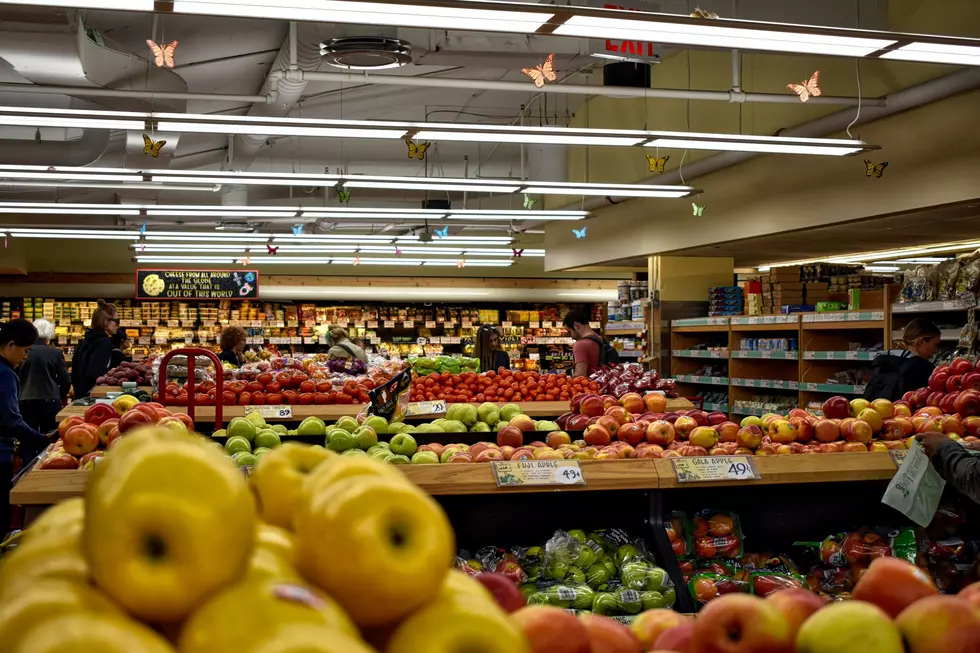
“Today, nine out of 10 Americans fall far short of the recommended fruit and vegetable intake levels," Taylor continued. "Strengthening federal nutrition programs to ensure they provide consistent access to fresh fruits and vegetables will not only help Americans improve their health through better diets, but it also strengthens domestic markets for American farmers. This includes fully funding the WIC fruit and vegetable benefit and modernizing USDA's procurement to prioritize produce.”

If you have a story idea for the PNW Ag Network, call (509) 547-9791, or e-mail glenn.vaagen@townsquaremedia.com
More From PNW Ag Network