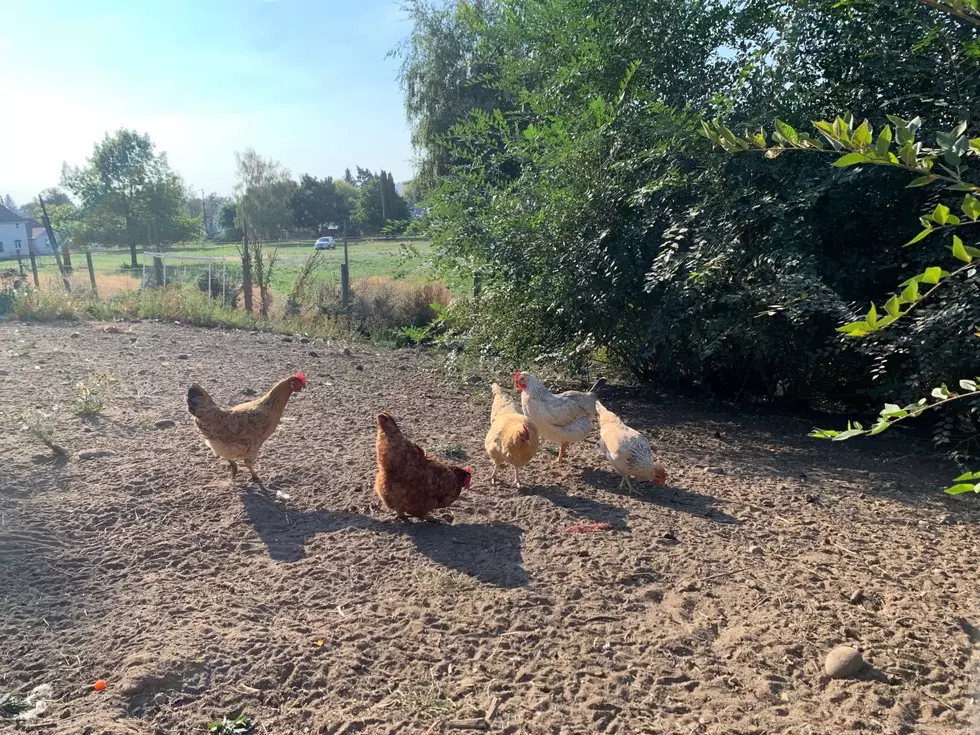

Bird Flu Continues To Spread Across Washington
Last week, the Washington State Department of Agriculture confirmed new cases of highly pathogenic avian influenza in domestic birds in Whatcom, Grays Harbor and Snohomish counties. The Department says these are the most recent confirmed domestic flock detections in the state, and reports of sick domestic and wild birds continue statewide.
Flock owners within six miles of these detections are in a surveillance zone and are encouraged to self-report any sudden health changes of their flock. Reporting can be done via the WSDA’s Website. Washingtonians can used the WSDA's Sick Bird Hotline at (800) 606-3056.
Bird Owners Reminded To Keep Poultry Safe
Fall migration of wild waterfowl is peaking across the Northwest increasing the likelihood of HPAI being spread to domestic flocks statewide. Backyard flocks account for most domestic blue flu detections among poultry in Washington.
"The recent flurry of detections shows that bird flu is present across Washington," said Washington State Department of Agriculture Veterinarian, Dr. Amber Itle. "Every poultry owner, no matter where they live, should be on guard and take biosecurity seriously to protect their flocks. Keeping migrating waterfowl away from your flock is a critical protective measure."
When it comes to protecting domestic birds, owners are reminded to take biosecurity seriously. Steps include:
- Keep birds housed undercover or in covered runs
- Prevent access to water sources, ponds or lakes
- Keep domestic species separate
- Store feed in sealed containers and clean up spilled feed promptly
- Limit visitors to your coop
- Avoid sharing equipment with other flock owners
- Employ wild bird, wildlife and rodent mitigation strategies
Bird Flu And Humans
When it comes to human safety, the WSDA is reminding everyone:
While rare, avian influenza can spread from birds to people and make them sick. People who come into contact with infected birds or animals or their environments should be aware of the risk of avian influenza so that they can take proper precautions, including handwashing, wearing personal protective equipment, and storing shoes and other supplies used when caring for birds outside the home. That’s also why it’s so important not to bring sick wild birds into your home, doing so can put you, your family, and your flock at risk of avian influenza spread.
If you have a story idea for the PNW Ag Network, call (509) 547-1618, or e-mail glenn.vaagen@townsquaremedia.com
More From PNW Ag Network