
AFBF Stresses The Importance Of An Updated Farm Bill
The American Farm Bureau Federation says Congress needs to pass a new Farm Bill; and soon.
Farm Bureau released analysis Tuesday, showing farmers and ranchers are facing one of the toughest farm economies in a generation, thanks to high production costs and continued market uncertainty. The current Farm Bill, passed in 2018, has been extended three times — and that extension expires September 30th.
Farm Bureau said recent federal funding has strengthened parts of the farm safety net, but hundreds of other programs still need to be updated.

Current Farm Bill Proposals Are A Good Start
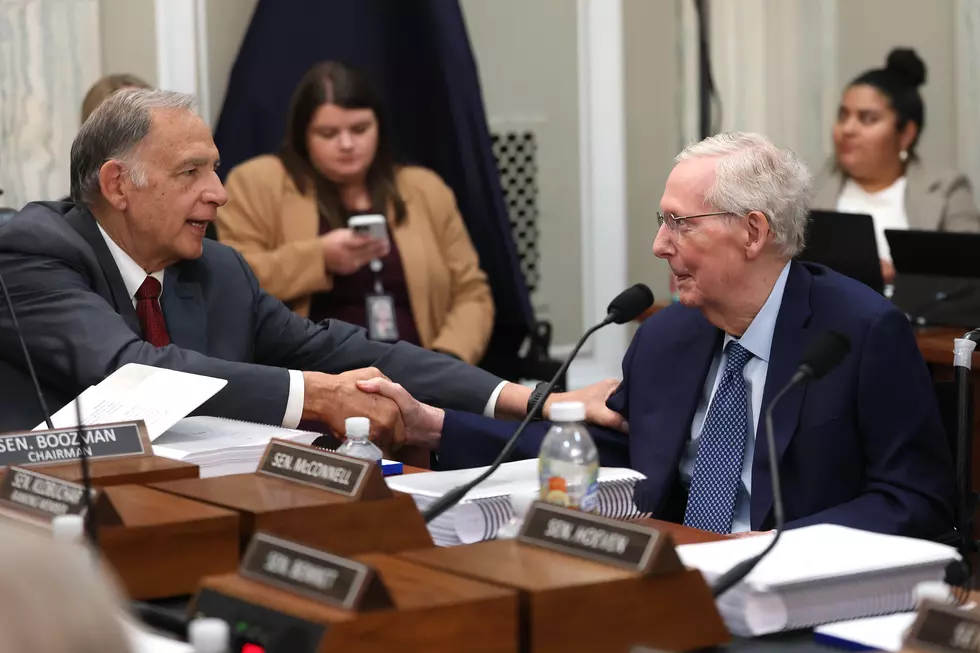
Farm Bureau believes Chairman Boozman’s Farm Bill includes important support for farm families across the country, and the Senate Agriculture Committee should quickly advance this bill out of markup in a bipartisan manner. Farm Bureau is also calling on Congress to address priorities that are not currently included in the draft: protecting interstate commerce from a patchwork of state laws and providing economic assistance to farmers facing historic production costs and financial losses.
Agriculture is important to the nation's economy, energy security, environment, and national security, Farm Bureau added, and must be treated as a strategic national resource in policy at every level. A comprehensive five-year Bill is essential to providing certainty for farmers and ranchers, strengthening rural communities, and protecting the nation's food and agricultural security.
AFBF added modernizing USDA farm loan programs by streamlining the application process, ensuring loan limits keep pace with rising production costs, and prioritizing access to credit for young, beginning, and financially distressed farmers and ranchers is critical for today's farm economy.

Benefits Stretch Beyond The Farm
AFBF said additional benefits of and updated Farm Bill include:
- Strengthening local economies by expanding processing and marketing opportunities, prioritizing broadband deployment in underserved communities, increasing access to essential services such as childcare, and updating infrastructure in rural communities.
- Strong, sustained investments in agricultural research, Extension, and education through public-private partnerships and coordinated federal, state, and university efforts to advance innovation, strengthen U.S. agricultural competitiveness, and deliver science-based solutions that benefit farmers, ranchers, and consumers.
- Sustainable forest management practices that recognize forestry as a valuable renewable resource and promote healthy, resilient forests through science-based management tools on both public and private forests.
- Programs and policies that strengthen the nation’s energy security and rural economies and support expanded markets for American-grown products.
- Expanding market opportunities for specialty crop producers, recognizing the growing role of urban agriculture, supporting a strong and credible USDA organic accreditation system, and promoting science-based collaboration between USDA and EPA on pesticide regulation.
- Robust crop insurance programs and the expansion of insured commodities to include specialty crops.
- Strengthening animal health preparedness strategies for potential outbreaks of animal disease, expanding local and regional processing capacity and market opportunities for producers, and enhancing the security and resilience of the nation's food and agricultural system across the whole government.
The Farm Bureau added the goa is a comprehensive five-year bill that provides stability for producers and strengthens America’s food security.

If you have a story idea for the PNW Ag Network, call (509) 547-9791, or e-mail glenn.vaagen@townsquaremedia.com
More From PNW Ag Network