Washington Concludes Another Midwinter Seabird Survey
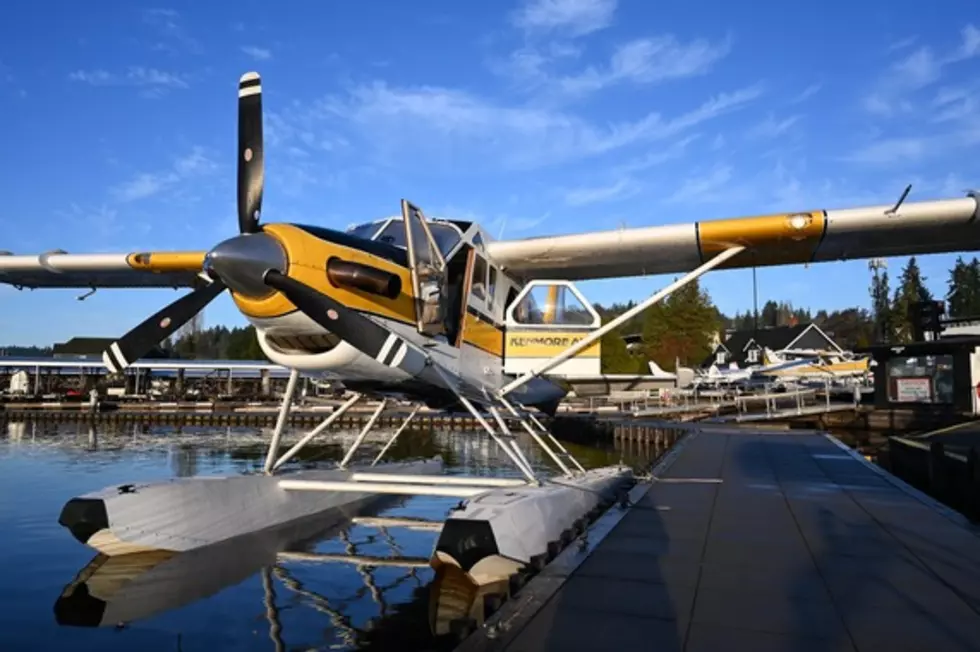
The Washington Department of Fish and Wildlife and Kenmore Air have wrapped up this year’s Midwinter Aerial Seabird Survey, continuing a decades-long effort to track marine bird populations across the Salish Sea.
Conducted each winter when seabirds are least likely to migrate, WDFW says the survey provides one of the most reliable snapshots of bird populations in the region. Data collected helps guide wildlife management, scientific research, and coastal planning decisions.
WDFW said this year marks a major upgrade. Instead of relying solely on visual counts, crews installed high-resolution cameras aboard a Kenmore Air aircraft. The system captures detailed, georeferenced images, which are then analyzed using machine learning and verified by WDFW biologists.
Technology Is Making This Count More Accurate
“The addition of digital survey technology this year strengthens our ability to track seabird populations over time and better understand how environmental change is affecting marine wildlife,” said Joe Evenson, WDFW sea duck and aerial survey specialist. “This technology improves species identification, reduces observer bias, and creates a permanent visual record that can be reanalyzed as technology advances.”
The survey, which began in the early 1990s, remains one of the most comprehensive seabird monitoring programs in the Pacific Northwest.
Kenmore Air supported more than 70 hours of low-altitude flights this season, covering inland marine waters at just under 900 feet.
Officials say the partnership highlights a shared commitment to protecting the fragile ecosystems of Washington’s waterways, "while ensuring better data to guide conservation into the future".
If you have a story idea for the PNW Ag Network, call (509) 547-1618, or e-mail glenn.vaagen@townsquaremedia.com
More From PNW Ag Network