
Washington’s Winter Reminiscent Of 2014-15
While the possibility of isolated snow showers in the higher elevations exists for the coming weeks, the 2025-2026 Washington snow year has come to an end. And while the apex of the snowpack is typically reported on April 1st, Toby Rodgers with NRCS says the highwater mark was reported weeks earlier.
That, among other things, has state and federal officials comparing this winter to the winter of 2014-2015, a season known for a “snow drought”. Rodgers added the fact that most of the state’s precipitation came in December, and very little was snow, made this winter very “unique”.
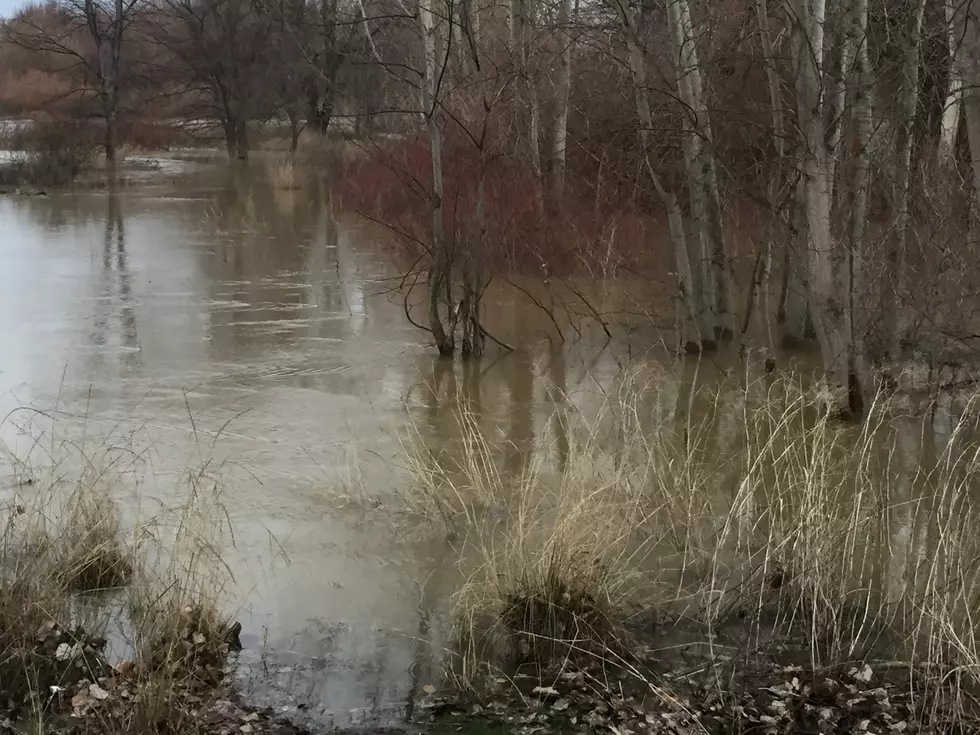
“You look at conditions throughout the winter and yeah, we had above normal precipitation for basically all basins and for the majority of our SNOTEL sites up in the mountains, but that precipitation in large part came as rain. It was just a coincidence of warmer than normal temperatures. So any precip that did fall fell as rain, which then equates to runoff almost immediately down through the stream corridors.”

Late Spring, Early Summer The Primary Concern Right Now
Rodgers says the Washington mountains enjoyed a bump of snow in March, but unfortunately, warmer than normal temperatures immediately followed, melting off most of that snow. He added while area reservoirs look good right now, with many near or at capacity, the lack of snow will hurt the region in the long run.
“But if we don't have that snowpack up in the mountains waiting to melt and run off and continue to contribute to those reservoirs, then we're going to fall behind...So if we don't have the snow up in the mountains and we don't have the runoff coming in those reservoirs and they've already hit their peak storage, then it becomes a question for those managers how they're going to keep water in the reservoirs as long as possible and figure out how to eke out any allocations they can throughout the summer.”

Some Areas Have Good Soil Moisture Levels
Rodgers noted while much of the news is grim, several dryland growers have reported normal or above normal precipitation, resulting in good soil moisture numbers.
For more of Rodgers' thoughts on the snowpack and what it means for the growing season ahead, check out our entire podcast:
If you have a story idea for the PNW Ag Network, call (509) 547-1618, or e-mail glenn.vaagen@townsquaremedia.com
More From PNW Ag Network