
Using AI To Locate Microbes In Irrigation Water
A connection between irrigation surface water and potential microbial contaminants that could create a foodborne illness. Cases of such bacteria on leafy vegetables almost 50 years ago found irrigation water providing pathways for microbes. But as USDA researcher Yakov Pachepsky recalls, Congressional and federal establishment of standards for microbes from a food safety perspective led to question.
“How representative is these small samples that we can take for the big source of water, like irrigation pontification or lake? And these these questions were most critical for surface water," he noted. "Surface water is more susceptible to microbial pollution in if there are any technologies that could potentially help answer these questions.”
The tech questions stemming from desires for both data and cost efficiencies. So Pachepsky and colleagues at the USDA Agricultural Research Station at Beltsville, MD, began studies incorporating artificial intelligence.
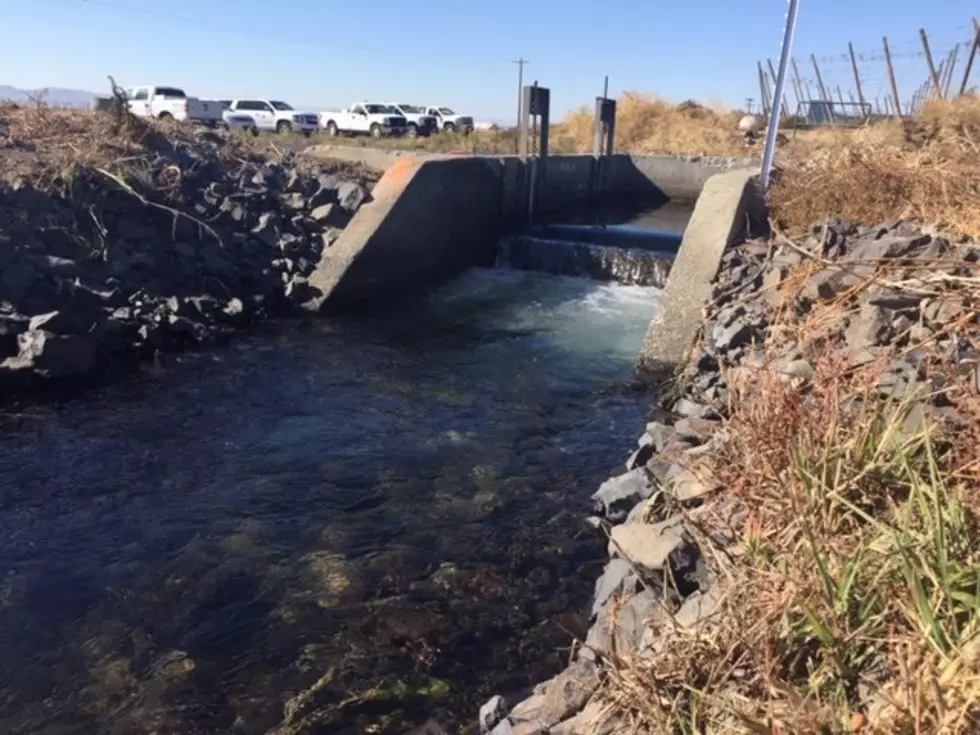
“Remote sensing and proximal sensing, including artificial intelligence, to process results of measurements,” Pachepsky said.
Sensors emitting light waves both in water sources and through aerial drones, collect data. Artificial intelligence crunching this data creates maps to break down contaminates at microbial levels. Pachepsky said while technology provides broader sources and breakdowns of information, the human element at the farm level continues to be an essential factor.
“We work with real farms as the irrigation happens on the real farms, farmers in Georgia and farmers of Maryland were most supportive for us and we are really thankful to these people who allowed us to do the measurements and to discuss things with them.”
The result of incorporating innovations and microbial detection and surface irrigation water. More effective, cost efficient and quicker methods of detection of potential contaminants. And Pachepsky said these technologies are approaching broader use and application.
“All the components that we are looking now are commercially available," he noted. "So it's just a matter of companies or consultants or groups of enthusiasts just taking this thing, combining them together and beginning to use it.”
Pachepsky was recently honored for his work, receiving the Samuel J. Hayman service to America medal. The “Sammie” for his contributions as a civil servant to the public.
If you have a story idea for the PNW Ag Network, call (509) 547-1618, or e-mail glenn.vaagen@townsquaremedia.com
More From PNW Ag Network