Technology’s Impact On Ag Grades
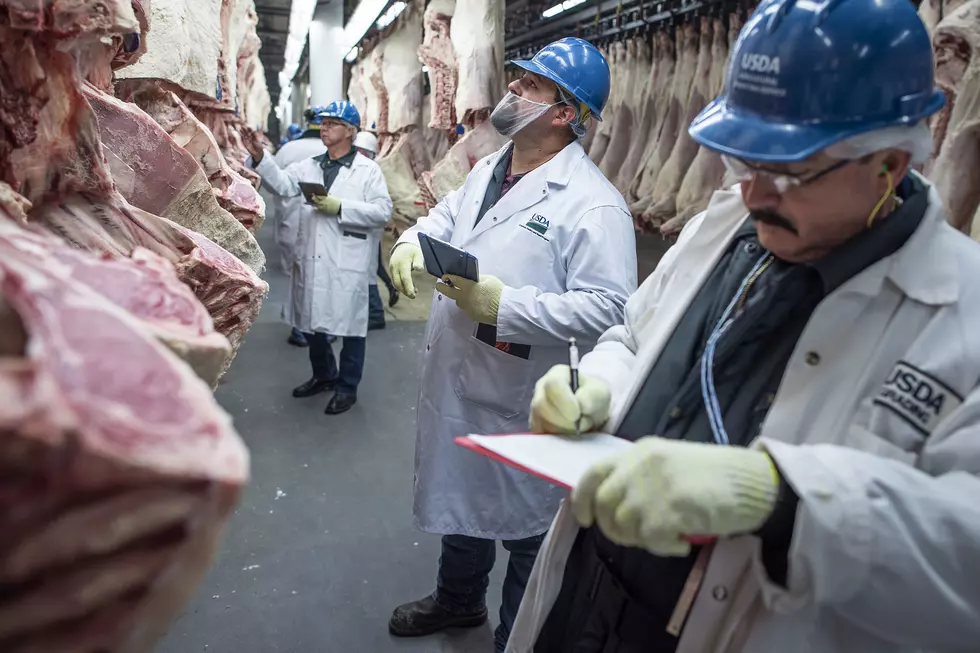
Shopping for your choice of meat or poultry, whether at a farmer's market, local store, or butcher shop? You are probably familiar with USDA grading as a consumer guide, especially regarding beef. Robert Eaton of the Agricultural Marketing Service explains the use of artificial intelligence in creating time and cost efficiencies for end users.
“Cameras with image classification technology are used to deliver objectivity and consistency in grading and have reduced staffing needs thanks to efficiencies gained,” he said, “A grade is determined through an AI model. And the images are uploaded to a server for remote oversight by AMS staff. Technology has streamlined the process, cutting customer costs by as much as 50%, thus improving accessibility to grading services and opening new marketing opportunities, especially for small, family-owned operations.”
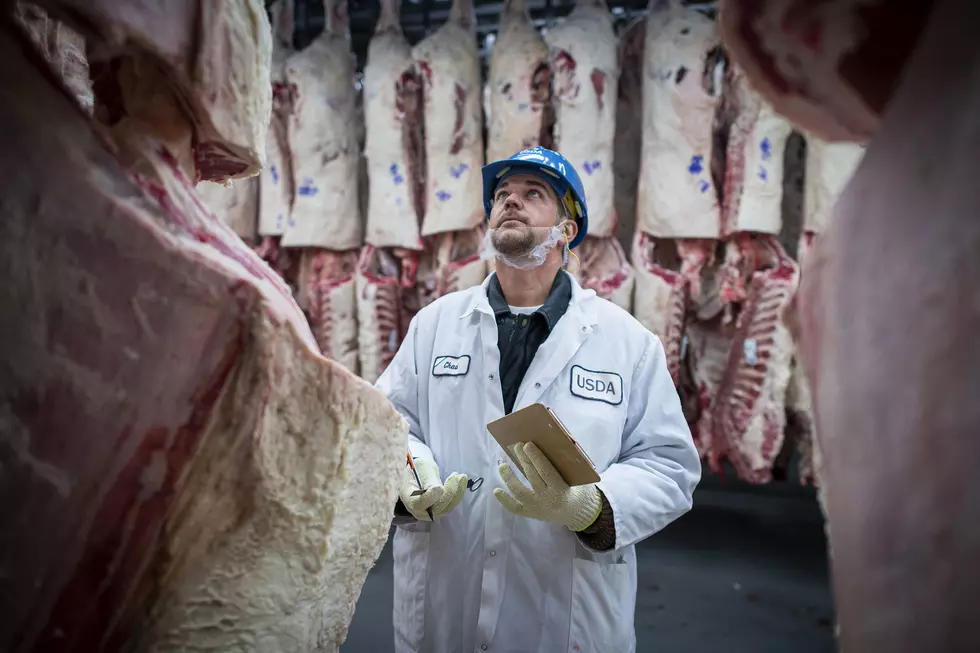
In addition, there is improved data collection tech to improve efficiency.
“An AI-powered image classification model using LIDAR and traditional cameras and staff with decades of experience are shaping the model to grade young cattle, and when implemented, a 25% increase in market coverage is plausible, improving market transparency,” Eaton said. “And efficiency, further supporting American agriculture.”
But grading does not just apply to meat. Grain producers and traders rely on USDA grading to determine both quality and value. AMS's Charles Parr says recent developments in tech are improving grading of U.S. rice. One example, Parr highlighted, a tool called the Cgrain Value Pro.
“This state-of-the-art instrument analyzes individual kernels with 90% coverage, delivering accurate, consistent results in a fraction of the time,” Parr said. “[That means] faster inspections, improved efficiency, and reliable grading that ensures producers stay competitive. For consumers, it means confidence that the rice on their tables meets the highest quality.”
AMS cotton grading has been automated for several years now.
“High-volume instruments have been the gold standard for measuring cotton quality,” said AMS’s Barbara Meredith. Se added that initial exploration of automation occurred, “Through sample movements and splitting the instruments into two components to maximize efficiency.”

So how did automation of cotton grading revolutionize the process?
“By moving cotton samples between stations, delivering the next sample exactly when the instruments and the graders are ready, significantly improving efficiencies and reducing operational costs. From these upgrades last year, our Macon, GA classing office is 14% more efficient when compared to the traditional methods, and producers are getting their data 25% faster.
"We're using RealWear glasses to share expertise from location to location, helping to reduce downtime, and costs for on-site visits. Another effort to prevent delays in grading samples is the ability to reprint scannable tags in the lab, helping to eliminate delays in final grading.”
If you have a story idea for the PNW Ag Network, call (509) 547-9791, or e-mail glenn.vaagen@townsquaremedia.com
More From PNW Ag Network