
Highly Invasive Freshwater Mussel Found In Central Oregon
Oregon wildlife officials are stepping up monitoring efforts after a single dead quagga mussel was discovered on the shoreline of Prineville Reservoir earlier this month, the first time the invasive species has been found in or near an Oregon waterway. So far, extensive follow-up surveys, water sampling, and environmental DNA testing have found no additional mussels and no evidence of an established population.
Protecting Oregon's Waters Is Our Top Priority
“We are taking this finding extremely seriously, but also cautiously as we work to confirm what we’re seeing at Prineville Reservoir. We are coordinating closely with our state, federal, tribal, and local partners, and preparing to move quickly based on the evidence we find,” said Keith DeHart, ODFW Aquatic Invasive Species Coordinator. “Our top priority is protecting Oregon’s waters while making sure every action we take is grounded in the best available information.”
The Oregon Department of Fish and Wildlife, working with the Oregon State Marine Board and other partners, has activated its invasive mussel rapid response plan and formed a unified command to coordinate surveillance and outreach efforts.
On June 18, ODFW staff completed inspections of two floating restrooms and their associated buoys as well as two moored vessels on Prineville Reservoir with all checks following standard invasive species protocols. No invasive freshwater mussels were detected on any structures or vessels during the survey.
Monitoring teams will continue routine intensive sampling efforts moving forward to ensure early detection and subsequent rapid response if quagga mussels are present.

Clean, Drain, Dry
Recreational boats are known to be a major source of freshwater invasive mussel spread in the United States. Inspections have intercepted boats fouled by live invasive mussels prior to launching in Northwest waters a number of times in recent years. In April, ODFW staff at the Ashland Boat Inspection Station found golden mussels on a watercraft headed from the Sacramento River Delta to Oregon and were able to decontaminate the boat before it reached an Oregon waterbody.
To prevent potential dispersal of freshwater invasive mussels, boaters should: CLEAN all boats, trailers, and other equipment after leaving a lake or stream. DRAIN all water from vessels and allow them to DRY before launching into another waterbody.
Boaters are also reminded that they are required to stop at check stations for inspection. Check stations are currently located in Brookings, Ashland, Klamath Falls, Ontario and Umatilla. A roving check station will also be at boat ramps around Prineville Reservoir and central Oregon periodically in coming weeks to inspect watercraft for invasives.
Check stations and other invasive species surveillance are funded by proceeds generated by the Aquatic Invasive Species Permit and Waterway Access Permits.

ODFW and partners will continue to monitor the situation at Prineville Reservoir and regional waterbodies, allocating additional resources as needed. Expanded water and shoreline surveys are being conducted to facilitate early detection and rapid response to any signs of invasive mussels.
Public outreach including watercraft inspections is increasing. Inspections along with education materials and signage are intended to reinforce the Clean, Drain, Dry protocol with Oregon boaters.
“Continued vigilance and cooperation from the public are vital to protecting Oregon’s waters and keeping recreation areas open,” said DeHart.
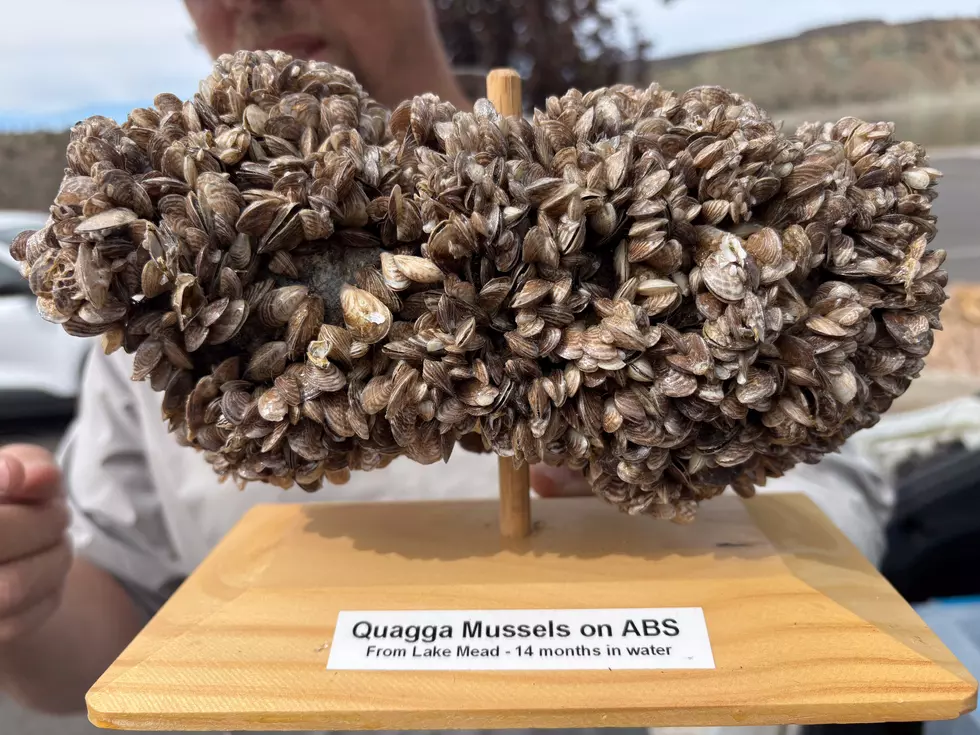
What Quagga Mussels Could Do:
If you have a story idea for the PNW Ag Network, call (509) 547-9791, or e-mail glenn.vaagen@townsquaremedia.com
More From PNW Ag Network