Use A Grain Protection Protocol To Keep Bugs Away From Your Commodity
In this volatile, and often unpredictable market, grain growers may want to look at holding their commodity longer to maximize value and capture higher prices when the market rallies. But, without proper protection, insects and other factors can eat away and grain quality and value, offsetting any gains growers hope to capture.
Dr. Johnny Wilson, technical services representative with Central Life Sciences, said when it comes to insects, it's the internal feeders and the external feeders creating havoc.
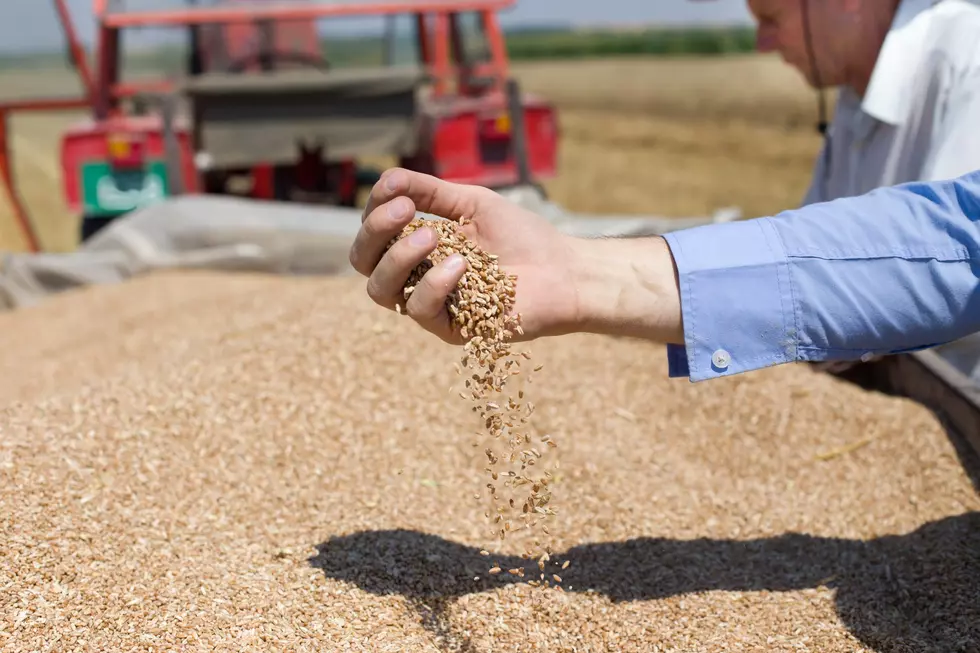
“Those internals, they're the ones actually boring in and consuming the inside of that grain," Wilson said. "So, we see the largest amount of dry matter loss. And that equates to, well, when we're driving that truck across the scale, that's causing our scale ticket to go down. That's reducing our bulk density in the grain. These are all measured things that we're going to get docked on as we deliver. So, rice weevil and lesser grain borer, certainly the two biggest offenders.”
Make Sure You Find A Plan That Works For Your Operation
Wilson noted that significant damage can happen in as little as 30 days.
So, what is a grower to do?
Wilson recommends putting together a Grain Protection Protocol, which can provide advice and insight on different scenarios, and what products may work best for a specific operation.
“That makes sure that we're not wasting money on excess chemicals because at the end of the day we want to limit pesticide usage,' Wilson noted. "We want to make sure this stuff works as long as it possibly can and that we're being responsible with it. And to save money, as much money as we can to get that return on investment. So, by being able to come up with a checklist or list of recommendations, now we can build an a la carte menu and say, well, in my operation, I want to use perimeter treatments, I want to spray headspace, I want to spray directly on grain, I want to treat as it's going through this scenario. And we can combine all these things, mix and match all of these different things and build a tailor-made protocol for the specific operation we're dealing with.”

Plan On Holding Your Grain? Plan For A Protocol
Wilson added a Grain Protection Protocol is especially important here in the Northwest.
“It always shocks me how much longer you guys hold grain than almost anyone else. It is nothing for me to go into a facility and see wheat multiple years old; that looks great! And you can really use that to your advantage to take advantage of those global markets out there, really hedge those markets. So, it's kind of with that in mind, knowing, okay, I've got designated crop that's going to be held during long-term storage. If we can identify that early on and put treatment on it early, that makes it way easier and cheaper than going in after the fact after we've identified a pest issue, then having to do remediation either through fumigation or a rescue grain treatment or something like that. So, I think that pre-planning step is the most important thing that the PNW can use for their stored grain.”
Click Here to learn more about CLS’ Grain Protection Protocol, and how it can help you keep your grain healthy.
If you have a story idea for the PNW Ag Network, call (509) 547-9791, or e-mail glenn.vaagen@townsquaremedia.com
More From PNW Ag Network