Check Those Tires To Limit Downtime
Downtime in the field doesn’t just slow you down. It costs you money. Whether you’re finishing planting or well into the growing season, keeping equipment running on time helps to protect the investment you’ve made in your crops. Greg Jones, senior manager for field engineering at Firestone Ag, says tire checks are important for reducing downtime during the growing season.
“I think the biggest thing is you want to be proactive, and during the growing season, there are critical times, right? You want to get into the field and plant," Jones said. "You want to get into the field and spray. You want to get in the field and fertilize. There are all these critical times, and why it's important to do these checks is because that downtime could affect the yield, it could affect the quality of it, and it's going to get in your back pocket if you have these downtime situations. So, the tires are critical instruments to the equipment, and even small things like a leaky tire or something like that could lead to something major down the road, and that's going to affect that profitability.”

Check Air Pressure
Many common tire issues will lead to unexpected downtime, he stressed.
“The biggest thing that I see and hear about is usually just improper inflation," Jones said. "It's the air pressure inside the tire that's carrying the load, and it's the tire's function to contain that air pressure. Knowing what your load is, what you're doing, and what kind of work you're going to be doing, that's key, because then we can recommend that optimal pressure. You’ve got those heavy planters. You’ve got sprayers with the full tanks. Those are heavy. There's a lot of work that has to be done, and that's why it's really key that you know what those weights are to be able to have the right pressure. You know, there are a lot of things there that correct pressure can also affect the impact of fuel economy, because you could be burning more fuel if you don't have the optimum footprint.”
He said FirestoneAg.com has a seven-step tire checklist to help spot potential problems before they happen.
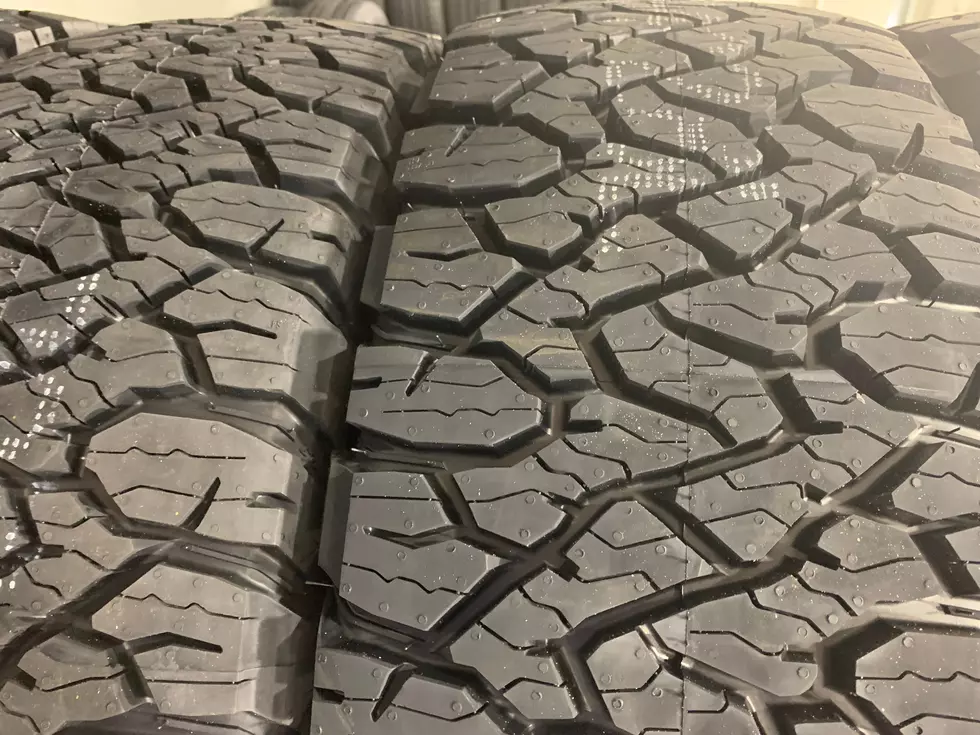
“What that is, it’s just to check this, check this, check this, and that can be done in that free time, because you're not always planting, you're not always fertilizing, you're not always doing these field preps, but when you have that free time that you're not doing these things, run through those seven steps. It's little things like checking the air pressure," Jones said. "The pressure you put on that piece of equipment in the shed in the fall on that tire is not going to be the same pressure when you pull it back out and try to use it again, because tires lose pressure over time. Other things, we tell you to check the sidewall, and check the tread. What you're looking for is any type of little cuts, especially if you get cords. You definitely want to get that tire replaced, because that's going to cause you downtime. A leaky valve stem can cause issues, so check the valve stem. It's always good to go through that seven-step checklist when you get free time.”

Don't Wait Until Its Too Late
Proactive tire management can impact overall uptime, fuel efficiency, and even soil health.
“Agricultural tires are designed to deflect where the tire comes in contact with the surface," Jones said. "Let's use something like soil. It's natural for that tire to bulge, and when it bulges, that's basically optimizing the footprint. Then, you're reducing the extra passes, you're not burning as much fuel, and also, that air pressure is going to be key to getting that optimal footprint. That's going to reduce compaction. That's going to protect the soil, which is really important from the standpoint of the health of the crop, because that gives stronger roots and better yield.”
Click Here to check out Firestone's seven-step tire check list.
If you have a story idea for the PNW Ag Network, call (509) 547-9791, or e-mail glenn.vaagen@townsquaremedia.com
More From PNW Ag Network