
Canada’s Economy Faring Better Than Expected
Several recently released economic reports say that, in the first six months of this year, Canada’s economy did better than had been expected, posting around 2% growth. This positive news has flown in the face of widespread fears of recession over Donald Trump’s tariff wars that began almost immediately upon assuming office in January.
The "saving grace", at this point, is that in early spring of this year, President Trump announced that America’s two USMCA partners, Canada and Mexico, would not be tariffed on those goods that are compliant under the trade pact.
While several major sectors, including steel and aluminum, along with the auto sector, continue to be pounded by punishing U.S. import tariffs, the majority of goods exported by Canada and Mexico remain unaffected by Trump’s import tariff tax.
Canada Is Not In Bad Shape
Mark Warner, an international trade lawyer based in Toronto, said that while a lot of debate on just how large this majority of untariffed export goods actually is, Canada is not feeling the overall pain that was feared would happen back in the spring.
“We’re not in bad shape. And the reason we’re not in bad shape is that in March, President Trump created an exemption for some of these tariffs for Canada and Mexico, to the extent that the goods passing the border were compliant with the USMCA terms," Warner said. "There’s a lot of debate about what that percentage is, but it’s over a majority, and that’s important. But Canada looks in pretty good shape. We benefit from that NAFTA exclusion.”
President Trump has been adamant that import tariffs are now an entrenched part of U.S. trade policy. And this seems to be the case, with several countries already having agreed to a blanket 10, 15, or more percent duty to enter the American market.
USMCA Can Still Benefit All Three Counties
An economist at Canada’s Scotia Bank, Jean-Francois Perrault, believes that if things go relatively well at the USMCA, scheduled for next year, Canada and Mexico might still be in the most competitive situation, relative to the rest of the trading world.
“What’s occurred on the tariff side hasn’t been nearly as aggressive as we feared it would be," he said. "Tariffs are no good, period. But, at the end of the day, if we come out of this with 4% or 5% tariffs, and the Europeans have got 15, the Brits have got 10%, every other country has got more than that, we remain in a deeply competitive position.”
Retaliatory Tariffs Aren't A Good Fit For Canada
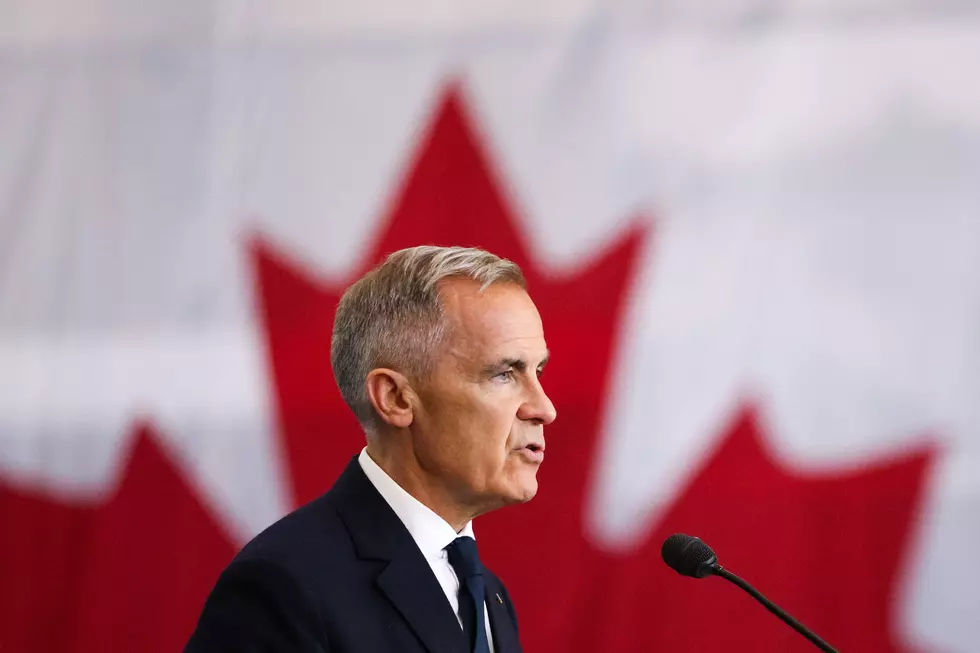
A review of the 2020 USMCA trade pact is officially scheduled to begin mid-to-next year. Some officials believe that initial formal discussions will begin this fall. Warner thinks that, at least so far, Prime Minister Mark Carney has been careful in taking any retaliatory measures as the USMCA review is now on the horizon.
“So far, the Carney government has not responded with retaliation. He’s acted more like the economist that he is, which is to say he understands that any counter-tariffs put on by Canada are going to be paid by Canadians, not by Americans," Warner said. "My guess is, if Canada were to retaliate, Trump would just up the ante. And I could see the most direct way to up the ante would be to get rid of the USMCA compliance safeguard. So far, I think the government has probably played this about right, but we’ll have to see how this plays out.”
If you have a story idea for the PNW Ag Network, call (509) 547-1618, or e-mail glenn.vaagen@townsquaremedia.com
More From PNW Ag Network