
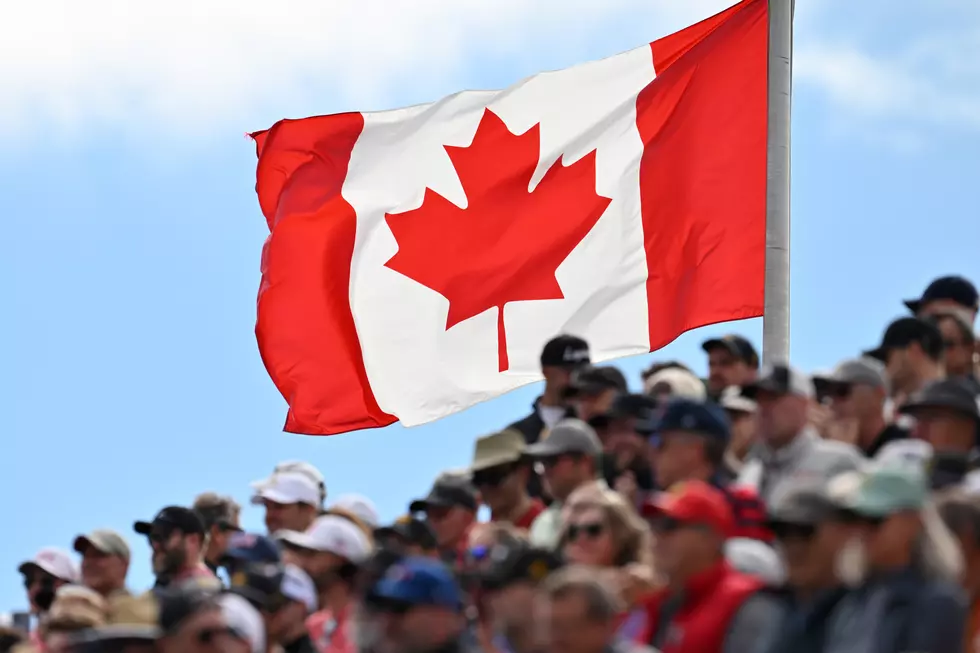
Why Canada Calls This A Trade “War”
High-ranking members of the Trump administration are attempting to downplay Canada’s use of the term Trade ‘War’ to describe the escalating economic and diplomatic conflict currently taking place. US Treasury Secretary Scott Bessent scoffed at the term in a recent interview.
“We’re not at war with Canada," Bessent said. "How are we going to be at war with Canada? What are they going to do, take their two submarines and sic them on us?”
U.S. Trade Representative Jamieson Greer also thinks the term Trade War is an exaggeration, stating "It’s not a word we use. For us, it’s business. It’s economics."
Greer's point is well taken north of the border. For Canada this trade conflict is far more about economics and business than it is for the United States. Because it always has been. Canada’s economy was, and is built on international trade due to its wealth of natural resources, largely in forestry, mining and agricultural sectors, inherited by a relatively small population.

Negotiations Broke Down Because The U.S. Doesn't Understand Canada's Position
Very unlike the US economy, Canada’s lifeblood is based on its international trading ability. The Canadian trade-to-GDP ratio is in the 60%-70% range, compared to a much smaller U.S. ratio, around 25%. This is the case because Americans have always concentrated on their own, large domestic market. Canada has always reached beyond its own, small marketplace.
Former Canadian ambassador to the U.S. Kirsten Hillman analyzed the recent negotiations meltdown. Hillman thinks what happened was a failure by the American team to understand just how extremely important a fair and solid agreement is to, and for Canada.
“The Prime Minister said that what was on the table was un-economic," Hillman said. "The U.S. came back and said but we were putting the very best deal on the table, the best deal we’ve given anyone. That’s not the metric. The metric that we have to judge this by is not whether it’s better than anyone else’s. It’s whether it works for Canada.”

I Don't Know What More The Prime Minister Could Do
But some Americans do understand Canada’s hardline stance. James Blanchard has been Kirsten Hillman’s counterpart as former U.S. ambassador to Canada, and a former Michigan governor. As Ontario’s closest neighbor and its largest trading partner, Michigan is getting hit hard by this trade war. Blanchard says this whole economic mess has made no sense from the outset.
“I don’t know what other things Prime Minister Carney could do, and your government, than respond. Most people realize, the President - you can’t attribute rationality to him," Blanchard said. "Like Canada’s been ripping us of for decades, when indeed, with the exception of energy which we need, we have a trade surplus with Canada. There’s no excuse for all this, really. None. We’re going to have to rely on calm leadership on your side, to get our side to come to the table and act reasonably. And tell them the truth.”
In short, Canada and the U.S. are not just different countries. When it comes to trade, these two countries are very different. For the Trump administration, international trade is almost an inconvenience. For Canada international trade is its lifeblood - and always has been.
If you have a story idea for the PNW Ag Network, call (509) 547-9791, or e-mail glenn.vaagen@townsquaremedia.com
More From PNW Ag Network