
What Do Rural Idahoans Need To Know About PFAS?
Contamination from so-called "forever chemicals" in water is raising concerns across the country, including across the Northwest.
The industrial chemicals commonly known as PFAS have been dubbed "forever chemicals" because of their ability to persist in the environment and body, and have been linked to health problems. PFAS use dates back to the 1940s in a variety of industries, from nonstick cookware to food packaging and firefighting foam.
Tyler Fortunati, drinking water bureau chief for the Idaho Department of Environmental Quality, says the chemicals could pose a unique threat in rural Idaho, where private water wells are more common.
"Private wells aren't regulated like public water systems are, but they do draw often from the same aquifers that a public water system may draw from," Fortunati said. "And so, if we are detecting or seeing PFAS at public water systems in rural communities, then private wells in those areas could also be affected."

Dealing With PFAS Can Be Expensive
Fortunati noted testing is available for private well owners, although it can be expensive. He said testing should be a higher priority in areas near military bases, airports, landfills and some industrial sites where the chemicals are more likely to be present.
Fortunati added there are ways for private well owners to mitigate PFAS risks, including treatment units that can filter the chemicals at individual connections in their homes.
“Those are typically what we refer to as like a point-of-use treatment system," Fortunati said. "So, it would be like a treatment system you'd install, say, under the sink in your home and that would be the sink that you would use for culinary and drinking water, to ensure that you are removing the PFAS from water that you may be ingesting."
What Options To Idaho Well Owners Have?
Fortunati said well owners can take more drastic measures as well, such as taking a system offline if it's contaminated, extending a well into a deeper aquifer or drilling a new well.
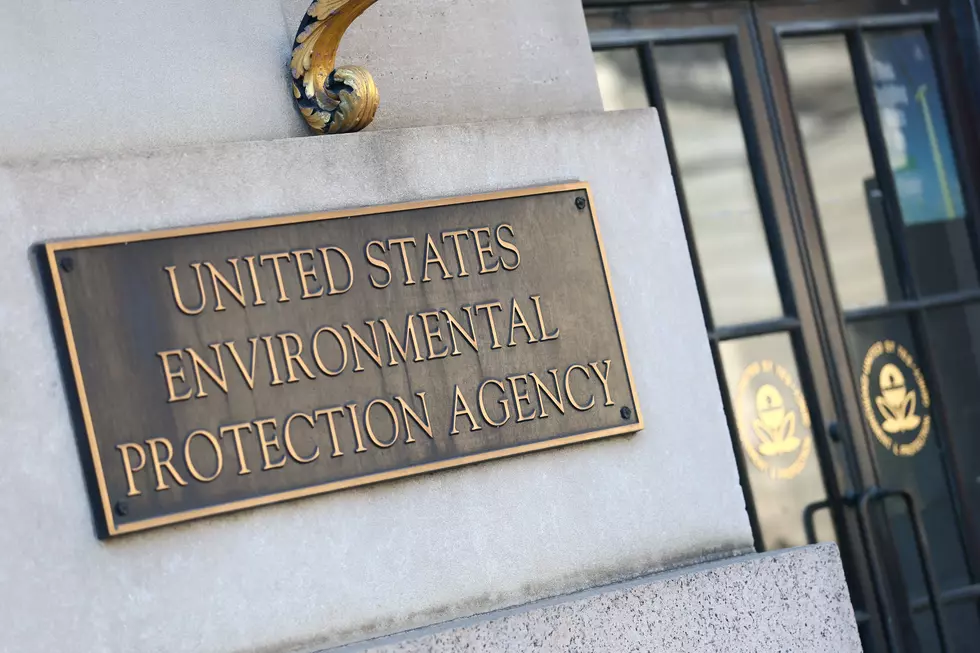
Efforts are underway to address PFAS nationally, including the EPA’s PFAS Strategic Roadmap.
If you have a story idea for the PNW Ag Network, call (509) 547-1618, or e-mail glenn.vaagen@townsquaremedia.com
More From PNW Ag Network