Canadian Officials Question Trump’s Potash Announcement
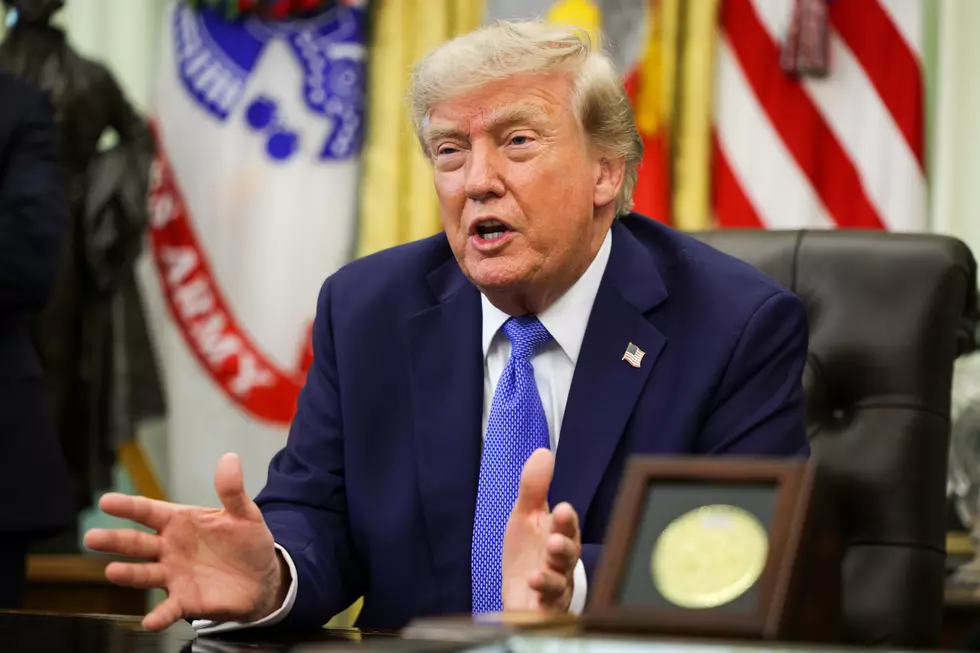
Canada is the world's largest producer of potassium Potash, and it delivers around ten million tons every year directly to American farm suppliers. Canadian potash is currently tariff-free. On at least two occasions this past week, U.S. President Donald Trump announced that his Administration was in discussions to buy potash from Belarus at a lower price than it’s currently getting from Canada.
"Belarus has a lot of potash, and our farmers need good prices, and we want to get a lower price than Canada," Trump said. "We’ll continue to go with Canada, but Belarus would like to sell it for a much lower price.”
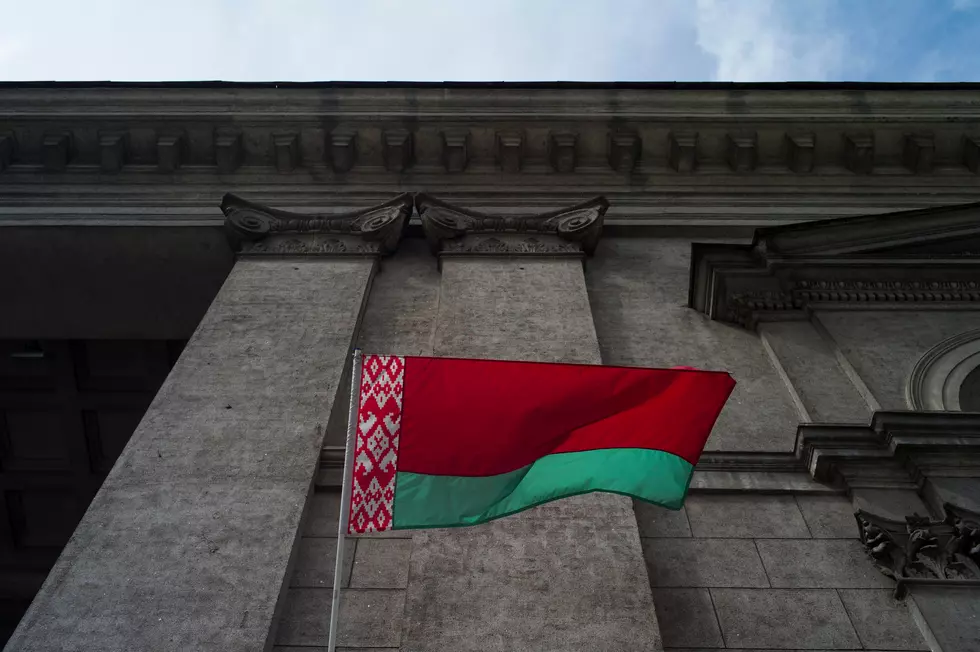
However, shortly after Trump’s announcement was made public, Belarus president Alexander Lukashenko refuted Trump’s claim, saying his country does not have the available potash as it’s nearly all contracted to China.
Why Would You Consider Something Like This In The First Place?
Saskatchewan, where almost all Canadian potash is mined, is home to the largest ethnic Ukrainian community in Canada. About 15% of its population claims a Ukrainian heritage, back to when tens of thousands of Ukrainian immigrants responded to the Homestead Act of 1890 and moved to escape serfdom and settle and farm the Canadian prairies.
Saskatchewan Premier Scott Moe said he was shocked that President Trump would even consider buying Belarus potash, a country currently under international sanctions for aiding and facilitating Russia’s illegal invasion of Ukraine.
“Because of the very direct link and support that Belarus is providing to Russia’s invasion of Ukraine, why would you consider it? Canada, not a political adversary of the U.S. – yes, having a difficult trade discussion at the moment - but it really begs the question as to why you would ever consider something like that in the first place,” Moe said.
Pam Schwan is president of the Saskatchewan Mining Association. She said that while Belarus does have some large potash mines, its annual output is less than half of Canadian production. Belarus is a landlocked country, and its potash supply chain is limited to rail lines running east across Russia. Conversely, Canada has supply lines directly to American potash buyers.
Belarus Doesn't Have Enough Potash To Go Around
“We’ve got a long relationship with American farmers," she said. "They import over 80% of their potash from Saskatchewan, ten million tons on an annual basis. Belarusian production total is 12 million tons. We’ve also heard from the President of Belarus, who said they don’t really have any extra capacity. All of their extra capacity right now is being shipped to China, so you’d have to see some significant market changes.”
Schwan added that the U.S. is Canada’s largest potash customer, but incidents like this only reinforce the industry’s push to expand and diversify its international markets.
“We’ve got growing markets in Indonesia, Malaysia, India, Brazil, and China," Schwan said. "And looking to diversify our markets even more than they currently are. This might just accelerate that, to make sure we’ve got a really diversified portfolio of markets.”
If you have a story idea for the PNW Ag Network, call (509) 547-9791, or e-mail glenn.vaagen@townsquaremedia.com
More From PNW Ag Network