
North American Potash Markets Shaken
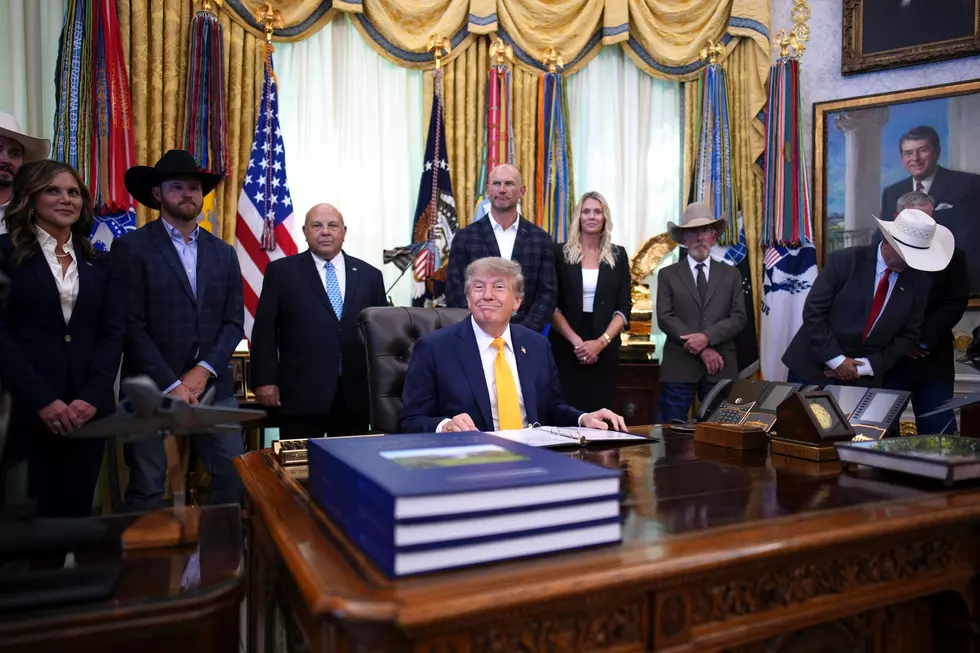
Fertilizer industries on both sides of the Canada-U.S. border are making their case for the continued supply of Canadian potash. That response follows President Trump’s most recent tariff threat, saying he might place ‘severe’ tariffs on Canadian fertilizer in order to increase output by the American industry. The association representing the U.S. fertilizer industry believes that meeting U.S. farmer demand through domestic supplies would simply be impossible.
Potash is one of three critical nutrients needed to grow a healthy crop, especially corn and potatoes. Canada has the largest available potash deposits, with Saskatchewan being the world’s largest producer, followed by the world’s other two largest exporters, Russia and Belarus.
The U.S. Doesn't Produce Enough Potash
The U.S. mines around 400,000 tons of its own potash supplies annually, but American farmers use another five million tons beyond that amount. Those five million tons of potash come almost entirely from Canada. This, according to Stuart Smyth, an agricultural professor at the University of Saskatchewan.
"Given that we export about 50% of our potash to the US, I just don’t think there’s any way you could scale that capacity up tenfold in the matter of a few months," Smyth said. "Because seeding starts for them in February, in the southern U.S.”
The U.S. Fertilizer Institute’s Veronica Nigh agrees with Smith. She explains that American potash deposits are not nearly as large or as readily available. And large-scale mining extraction of those deposits would take between 10-15 years. The existing Canadian potash mines are the largest in the world and are immediately adjacent to the United States. As such, the U.S. agricultural industry depends heavily on Canada for its annual potash requirements.
“U.S. growers would very much like to see additional production for mined nutrients like potash and phosphorus," Nigh noted. "That can take at least 10 years. There are only three major exporters in the world. Russia and Belarus are the other two. Much rather get our potash from our friends in Canada.”
Canadians Say U.S. Farmers Will Spend Their Government Aid on Fertilizers
Meanwhile, the president of the Canadian Federation of Agriculture says that President Trump’s comments about hiking tariffs are enough to gyrate world-market prices for fertilizer. Keith Currie, who farms in southern Ontario, says that in the event Trump does increase those tariffs, his recent announcement of a $12 billion farm bailout would be largely eaten up by the fertilizer price increases that American farmers would experience.
“Even just the talk is really creating a lot of unstable markets out there, and that cost would go directly onto the margins of the US farmers," Currie said. "We just heard about the $12 Billion bailout. Any bail-out money they may receive might be offset by further costs going up. And this is why we need to have those conversations with our colleagues south of the border, to make sure that they’re putting pressure on the President, to make sure he doesn’t harm the industry any further.”
If you have a story idea for the PNW Ag Network, call (509) 547-1618, or e-mail glenn.vaagen@townsquaremedia.com
More From PNW Ag Network