Sharing the Important Role Bats Play In Agriculture
Why should bats matter? The answer to that question is part of the annual awareness campaign held in the last week of October called Bat Week. And U.S. Forest Service ecologist Ted Weller acknowledges the timing of Bat Week coincides with Halloween, the period most associated with bats. Yet he still asks:
"Why is it at Halloween?," Weller asked. "Because this is not the most active time for bats."
In fact, bats are most active in the summer months. Using the fall to find a location for winter hibernation. So, needless to say an encounter with a bat during the autumn could be an awkward one.
"That puts them in places that they don't normally show up sometimes are an unfamiliar situation," said Weller. "So, people will find say a bat under their picnic umbrella that they're putting away for the season that the bat decided to come in there and roost. Whereas during the summer when the bats are most active they're not doing that."

Bats Eat A Lot Of Insects
But before going batty about a possible bat encounter, Weller said it's important to remember the many benefits of bats; getting back to our original question of 'why bats matter'."
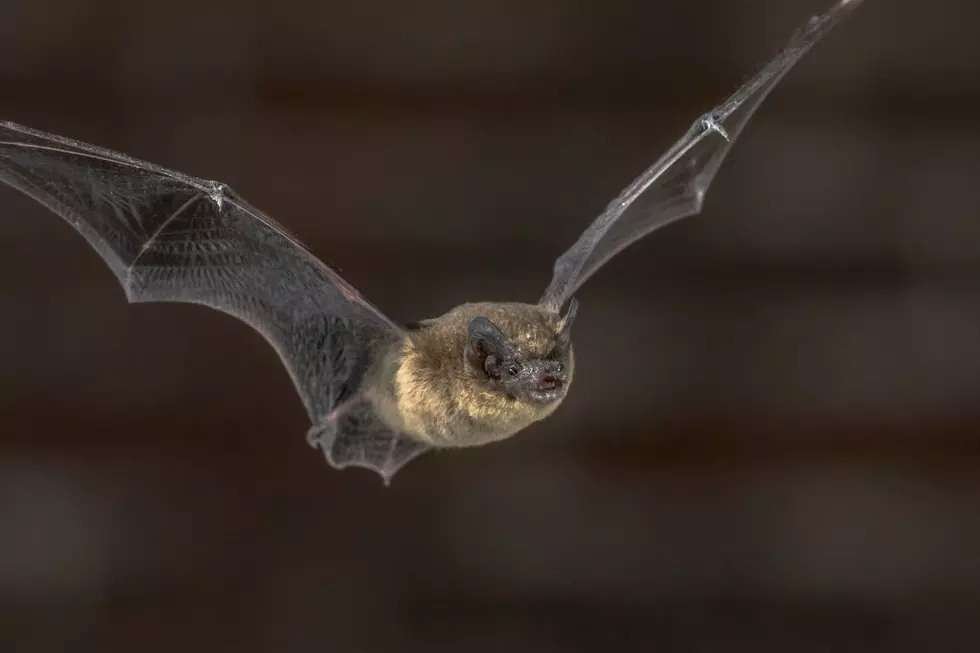
"Most of the bats that we have in North America are insect-eating bats," Weller pointed out. "And if you think about it, what other animals are out there at night eating insects and bats can go out there and keep those insect populations in check?"
As a bats diet is not just insects, but for several species, pollen, nectar or fruit, allowing for pollination of flowers. With benefits in mind, Weller is among those studying a potential threat to bat populations over the past two decades; White Nose Syndrome.
"This particular fungus really thrives in cold, wet conditions like the places that bats hibernate," Weller said. "The disease got into their caves. The fungus gets on the bats and it kills large numbers of bats."
With transmission of this fungus by bats believed to be from travel from cave to cave. Some of the tech used by Weller and others studying bats include innovations that may provide further information about White Nose.
"These bats would become impacted by the disease. Maybe they're hungry, maybe they're thirsty, but they started becoming more active during the winter than we otherwise would have suspected," Weller said. "By sharing data about when bats are active using these echolocation detectors in the landscape, we can start to see generally we have low levels of activity. Wow, all of a sudden we're seeing more activity. Perhaps this is a place where bats are being impacted by White Nose Syndrome or maybe something else that we want to check out."
Click Here to learn more about Bat Week.
If you have a story idea for the PNW Ag Network, call (509) 547-9791, or e-mail glenn.vaagen@townsquaremedia.com
More From PNW Ag Network