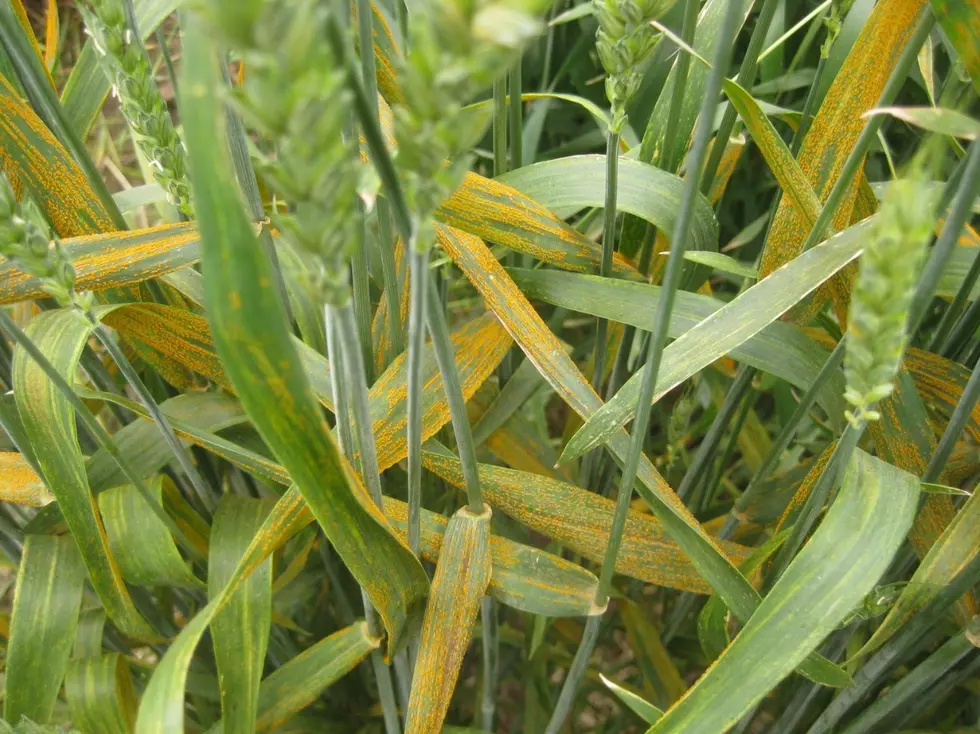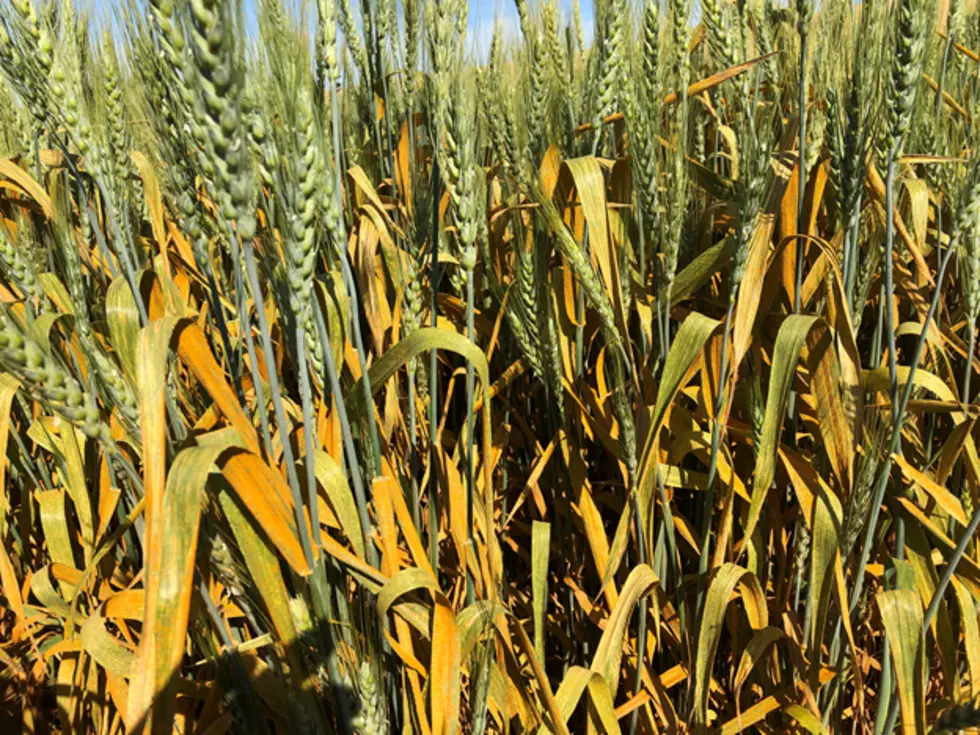
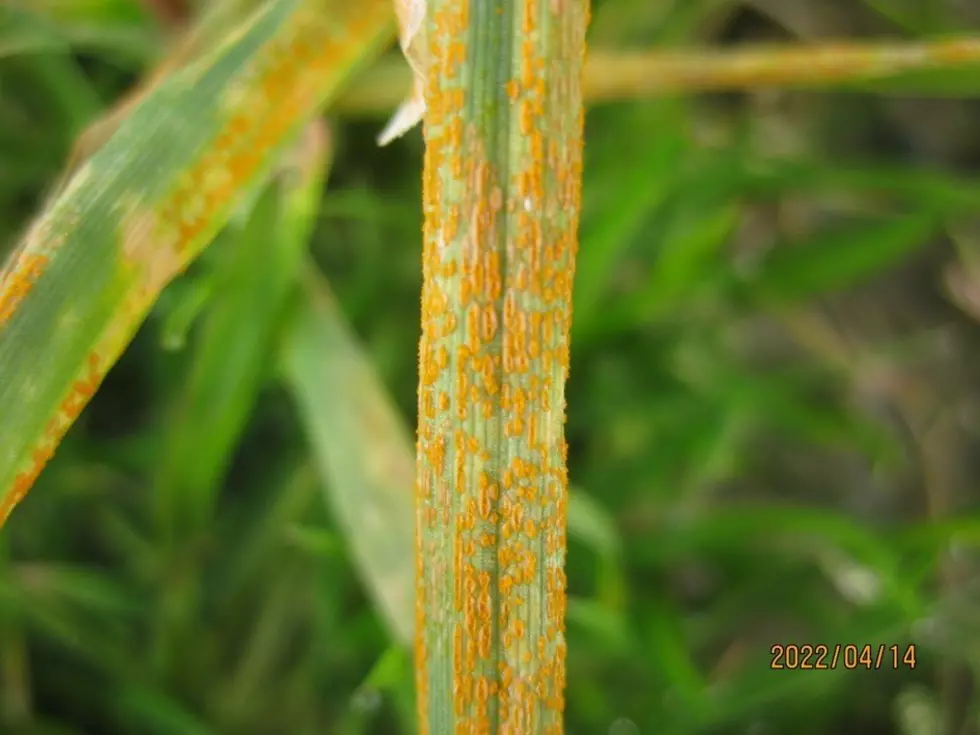
Wheat farmers are facing a tough battle as stripe rust spreads rapidly across the Pacific Northwest. The situation is getting serious, and the weather isn’t helping.
Based on the weather data from November and December, stripe rust in the coming growing season is predicted to be in the top range of severe epidemic level
A new study from Oregon State University shows that fungicide applications are effective in managing stripe rust in winter wheat.
“Our results indicated that the flag leaf application was much more important to preserving yield, than the herbicide timing application earlier in the season," said Christina Hagerty, associate professor of plant pathology based at OSU’s Columbia Basin Agricultu
Over the past two weeks, Washington State University crews have been touring the state, looking for stripe rust. School officials say so far stripe rust has only been found in WSU disease monitoring and germplasm screening fields in various locations except those around Pullman. On...
According to the latest forecast released by Washington State University, stripe rust is forecasted in the low epidemic range for the eastern Pacific Northwest. Low epidemic range, meaning a 1%-20% yield loss, is anticipated for the 2025 growing season, based on the predication models using the weather data from November 2024 to February 2025. WSU’s m...
Based on the weather data of November and December, stripe rust in the upcoming wheat growing season is predicted to be in the range of severe epidemic level (40-60% yield loss on susceptible varieties). Researchers at Washington State University said highly susceptible winter wheat varieties are predicted to have potential yield losses in the range of 27%-57% with an average of 41%. The predict
Blame the weather for helping to spread striped rust in winter wheat fields in Washington State this year. In fact, this might be the most severe outbreak in many years.